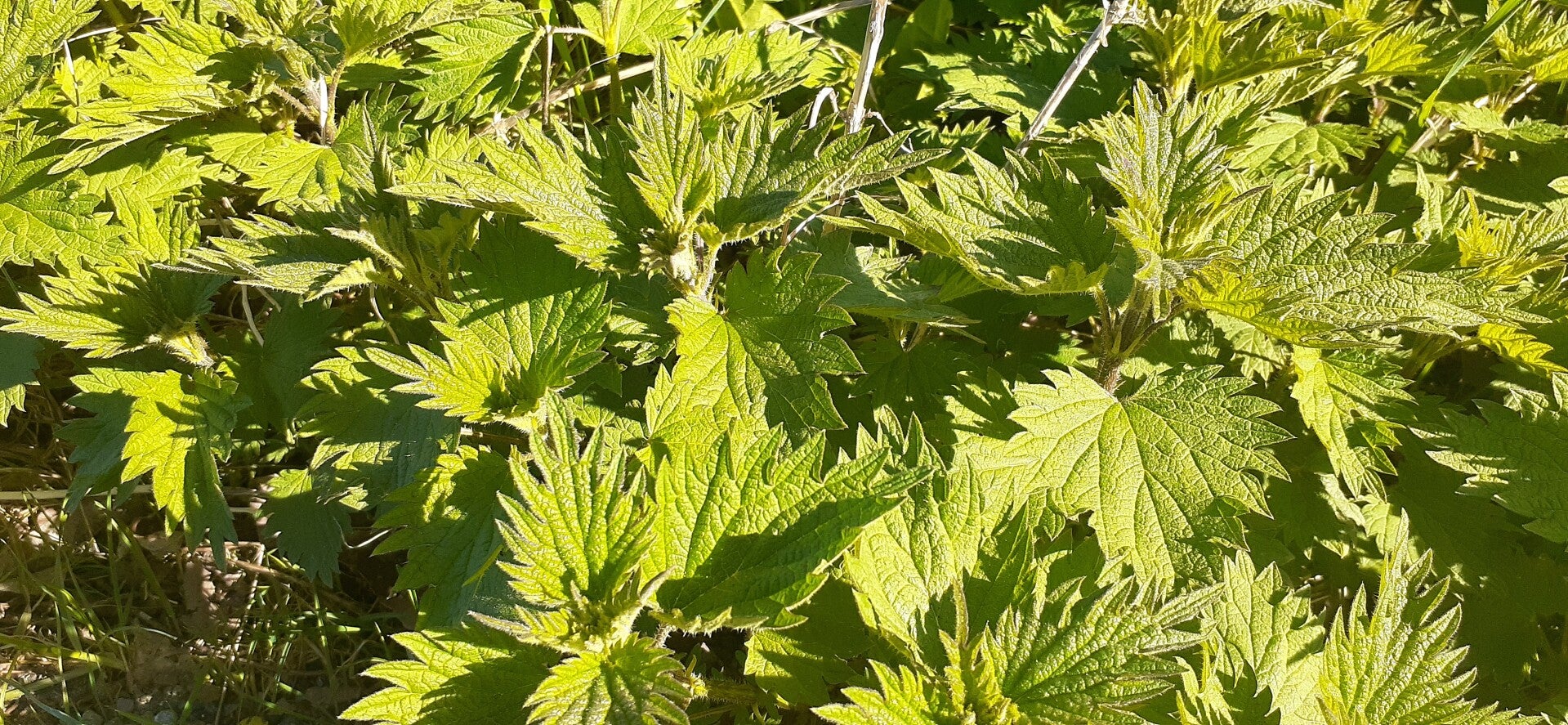



The plant is most famously known for its stinging hairs which are located along the stem and on the leaves. The stinging hairs release several chemical irritants which cause burning, itching and possibly a rash. Despite the plants challenging demeanor it remains an important part of the craft and art foraging .
Stinging Nettle At A Glance 👀
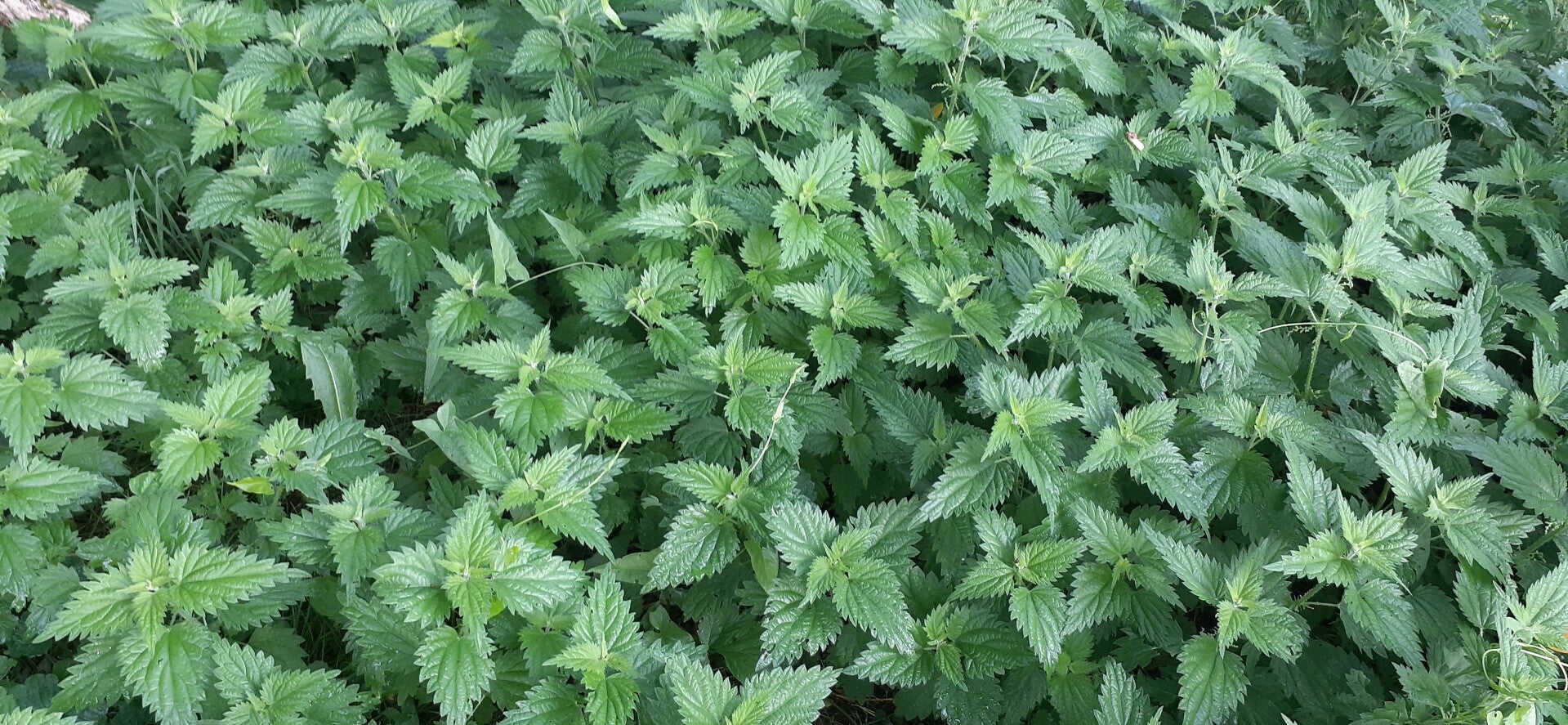
Stinging Nettle (Urtica dioica) is a perennial plant belonging to the Urticaceae family. The plant has an upright stems and green, oval, toothed leaves. It is found in moist, areas along woodland edges, stream banks, and other partially shaded areas. Once established in an area, the plants often forms dense patches.
The plant is most famously known for the stinging hairs found along its stems and leaves. When touched, these hairs release chemical irritants that can cause burning, itching, and, in some cases, a rash.
Despite its challenging demeanor, Stinging Nettle remains a valued part of craft and art foraging, connecting creative traditions with the natural world.

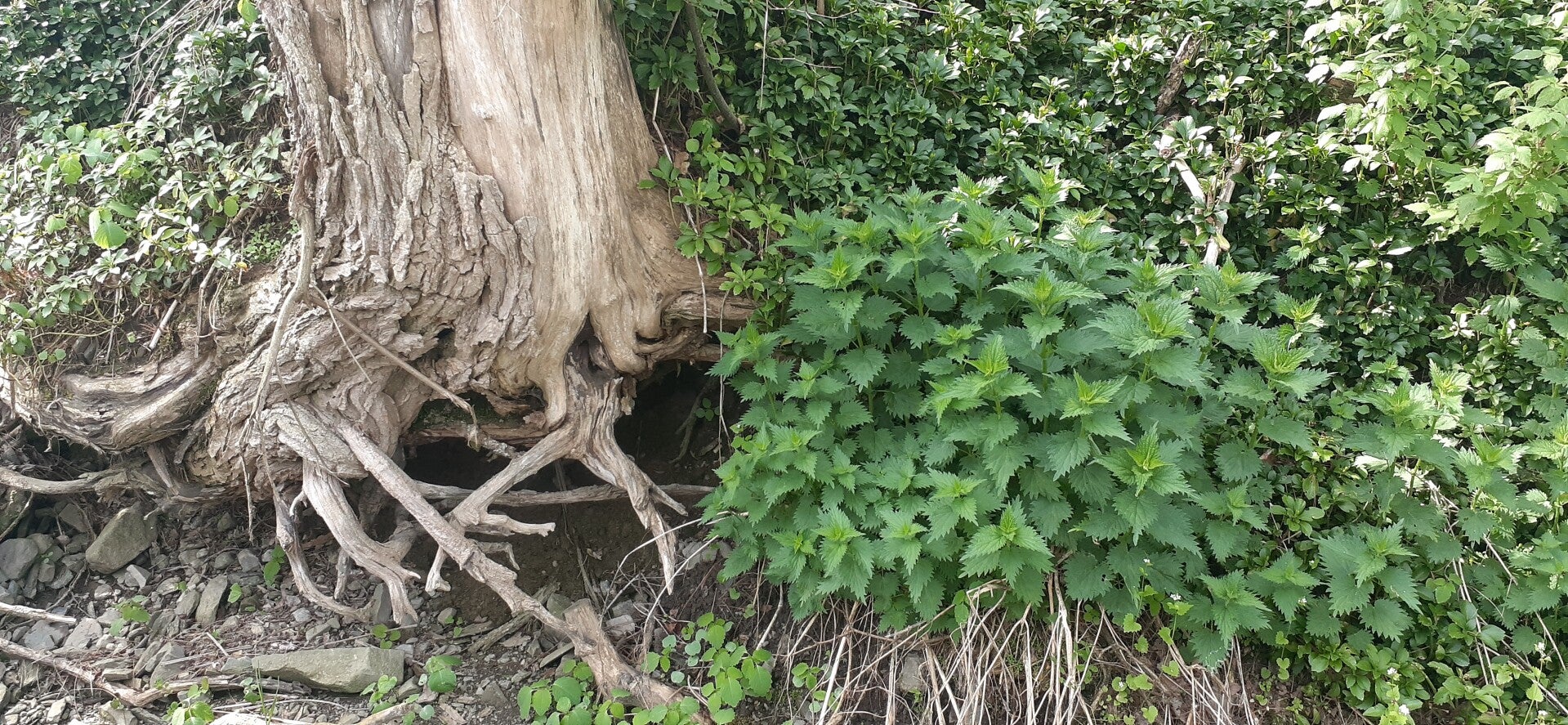
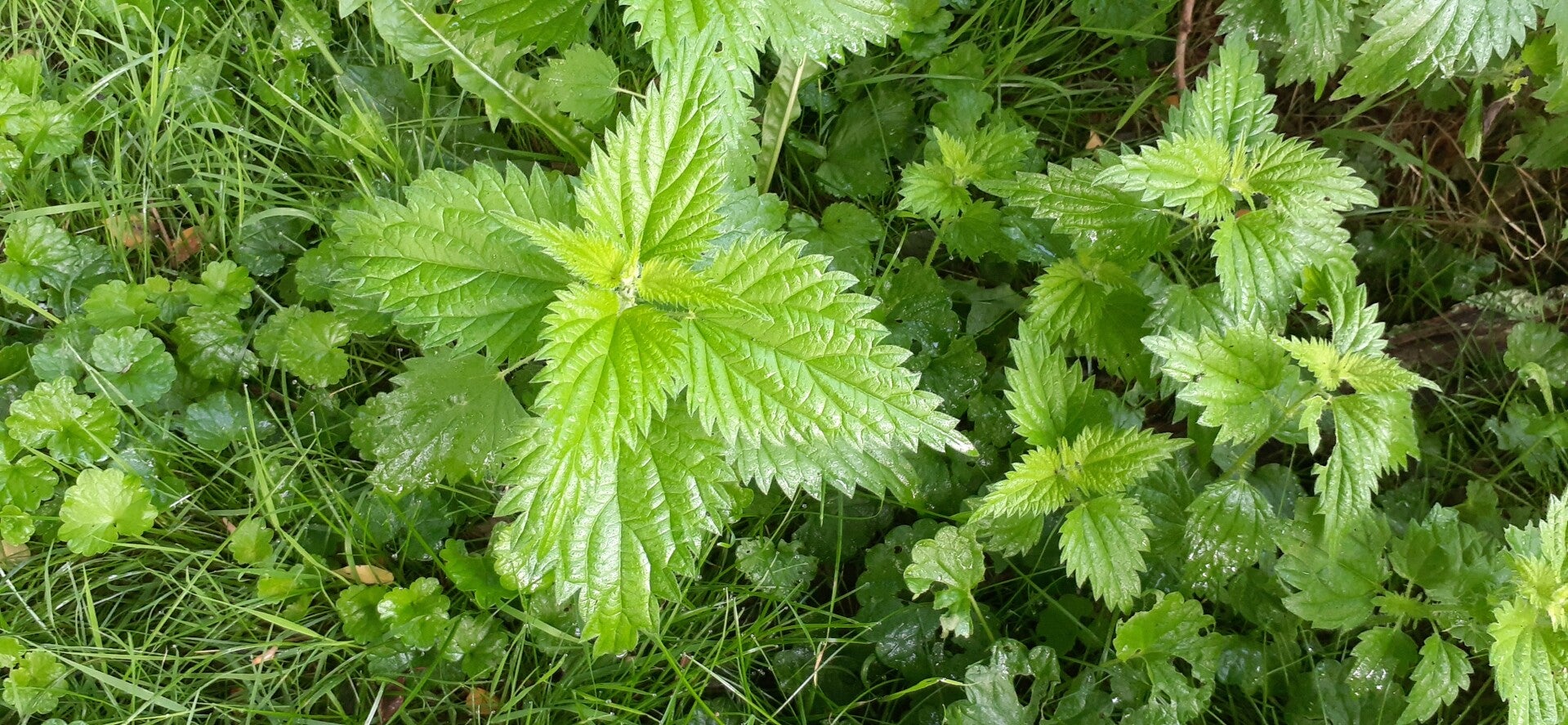
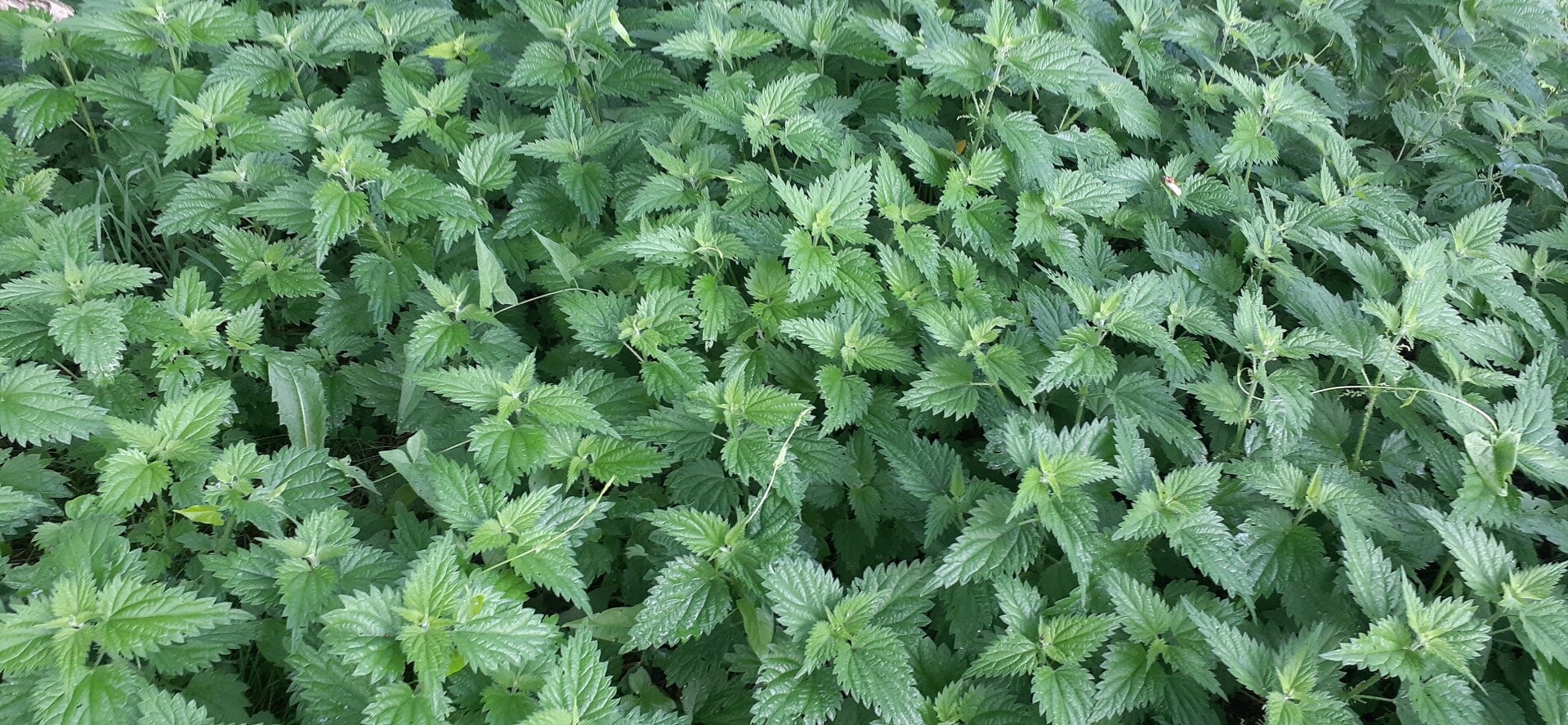
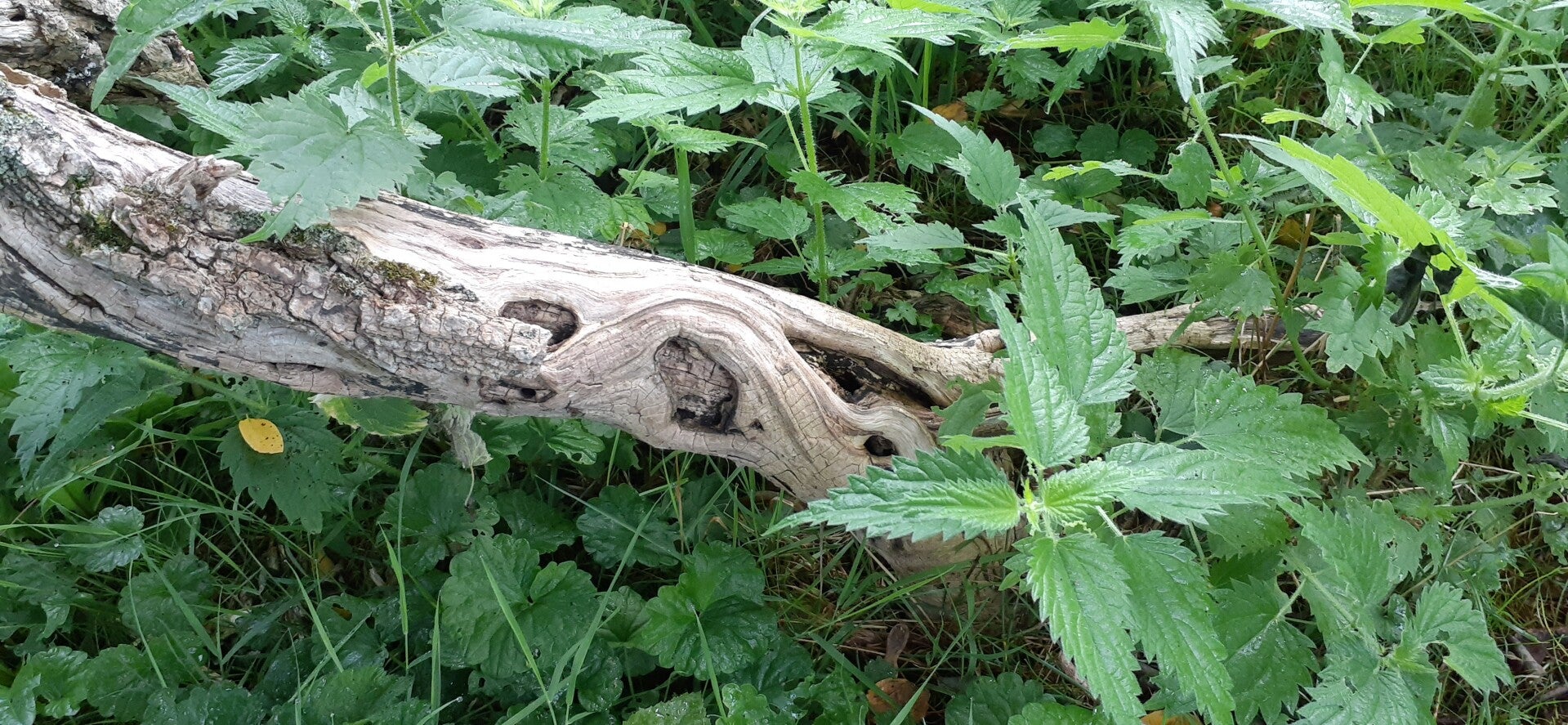
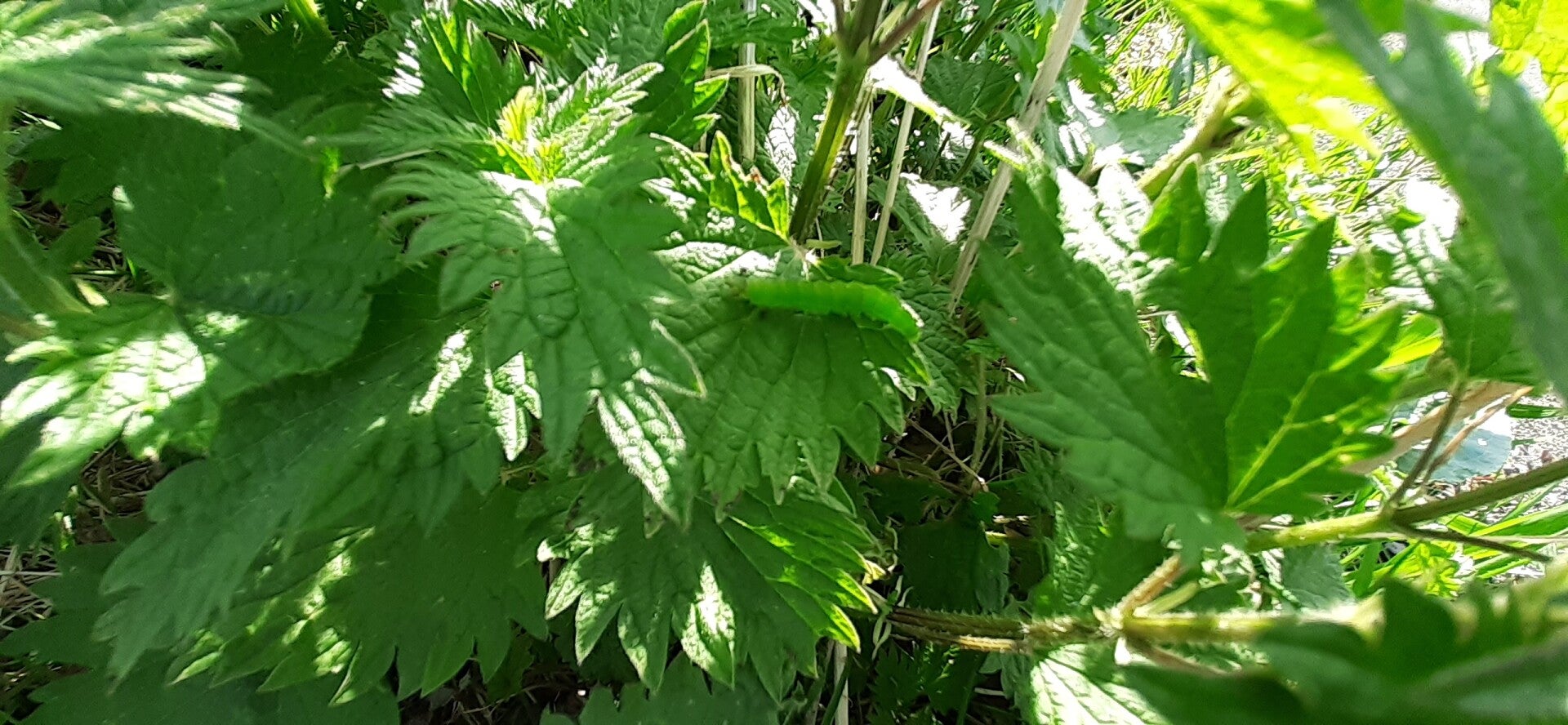
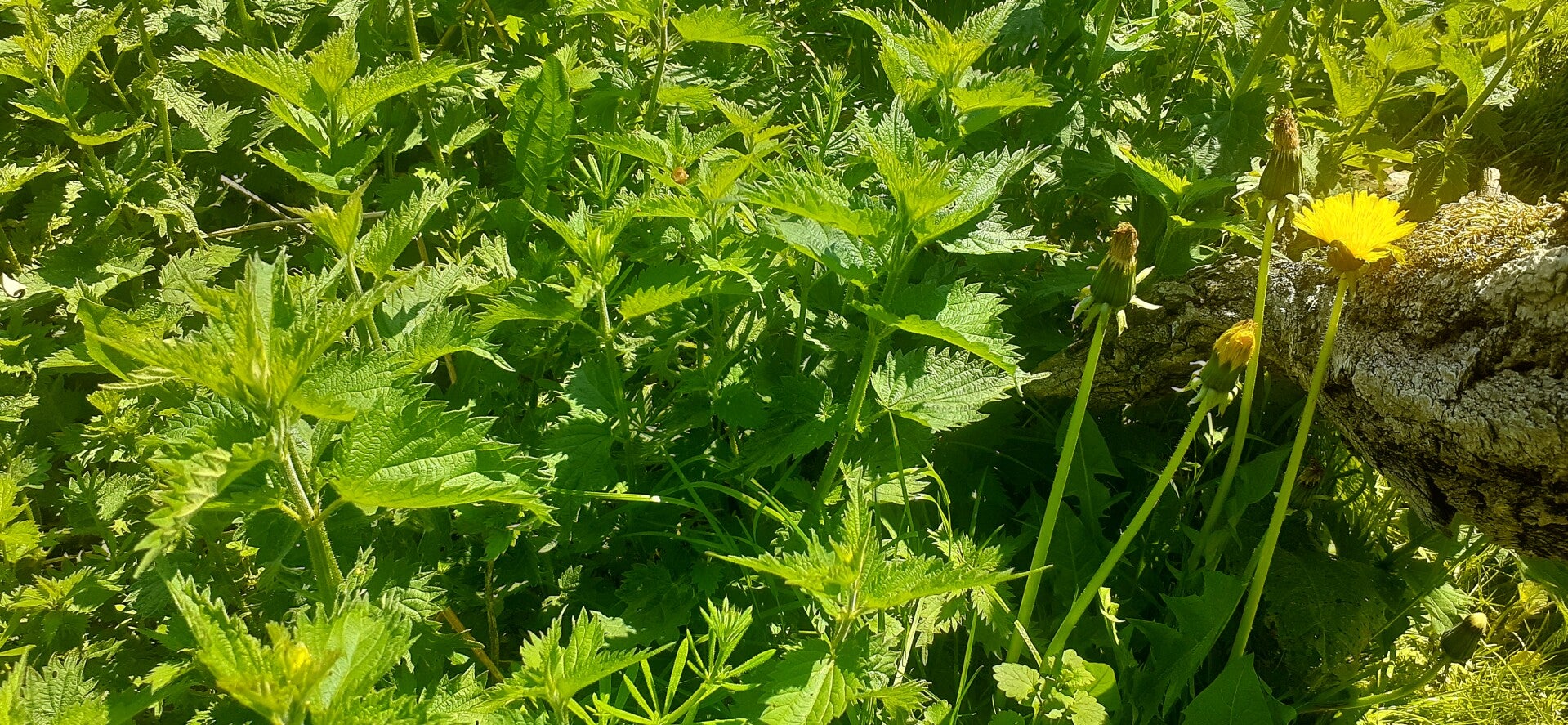
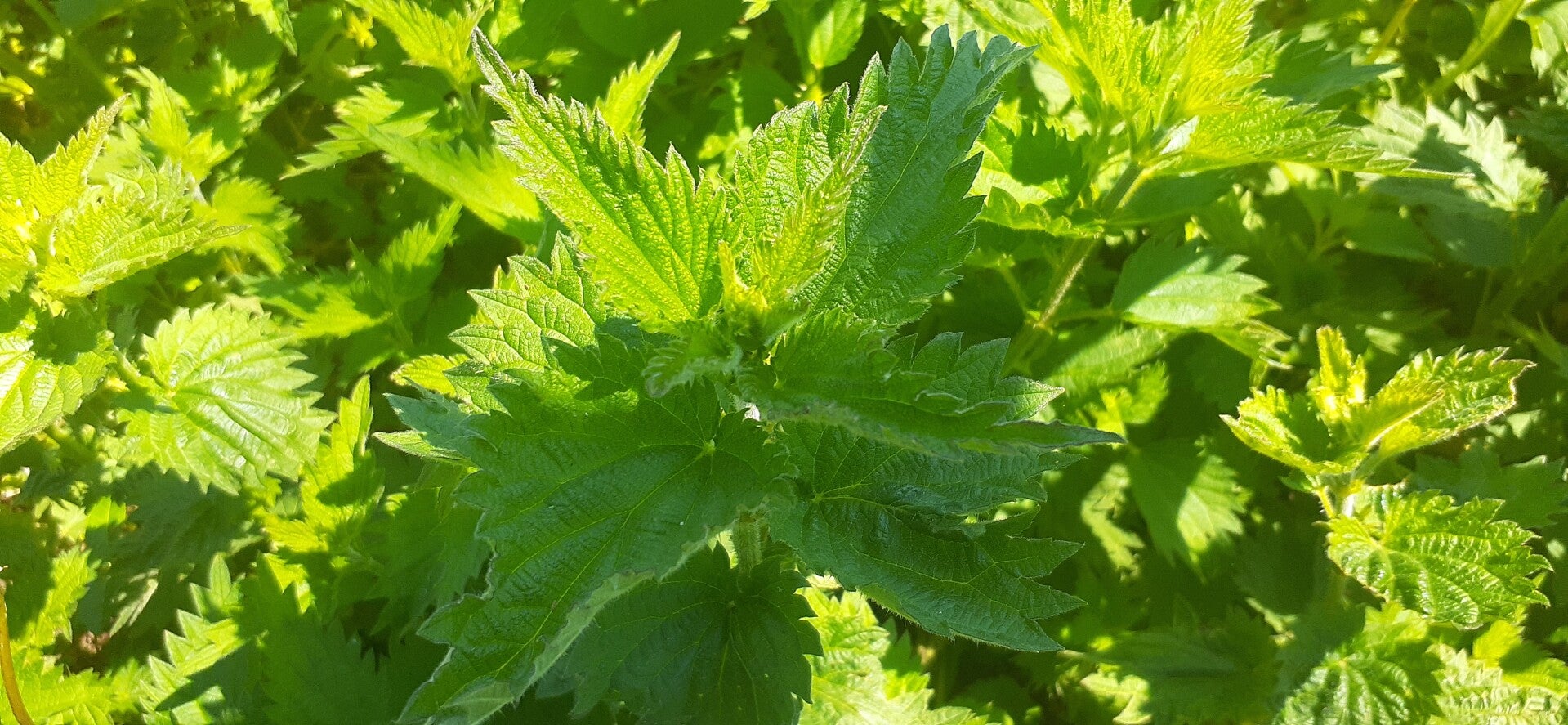

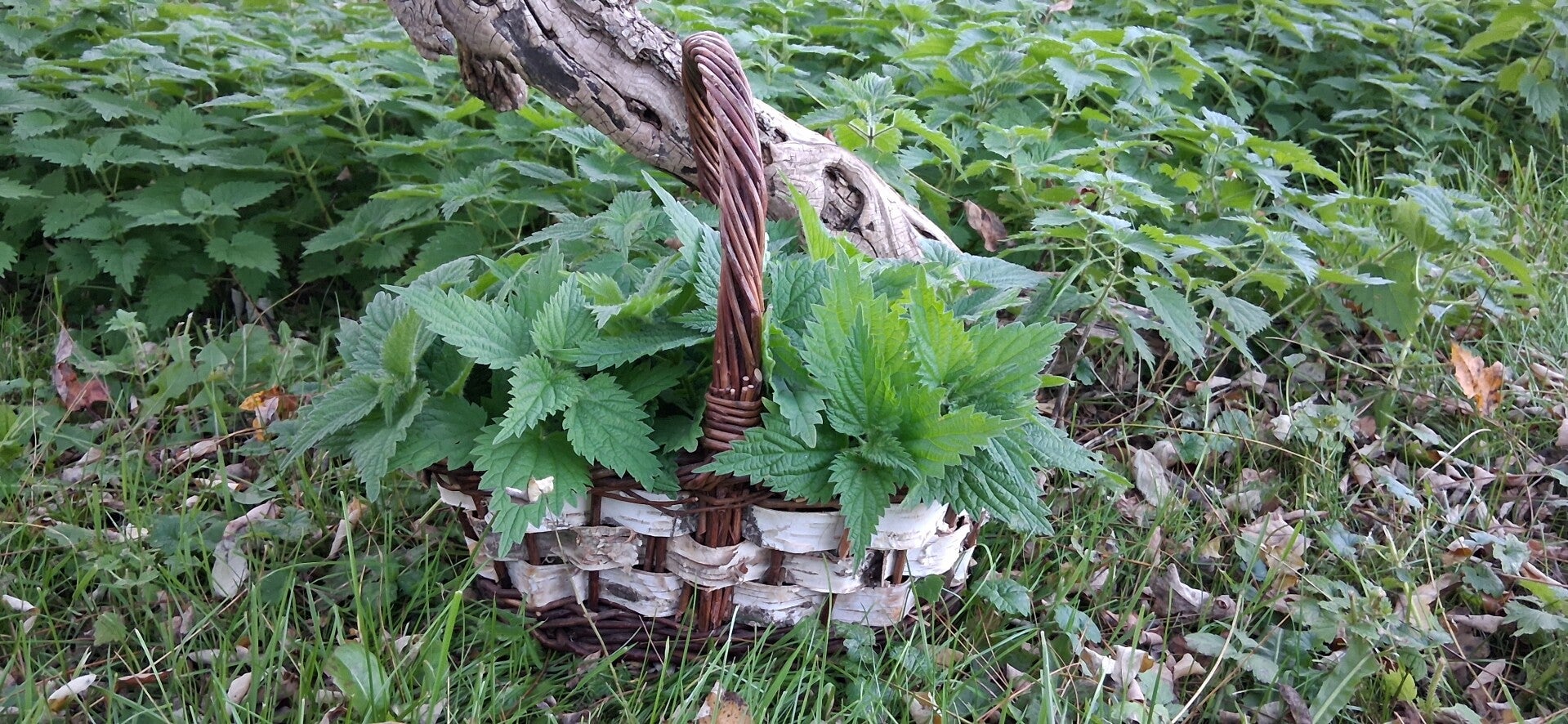
GROWING THE STINGING NETTLE
Mountain Fables Dried Stinging Nettle is wildcrafted. It is carefully hand gathered from the fields, woodland edges and from the outer edges of my yard in Central NY State, USA. No synthetic or organic fertilizers or pesticides are used. Just Mother Nature doing her thing! It is a raw, unrefined. responsibly sourced, harvested and dried product perfect for crafting and art projects.
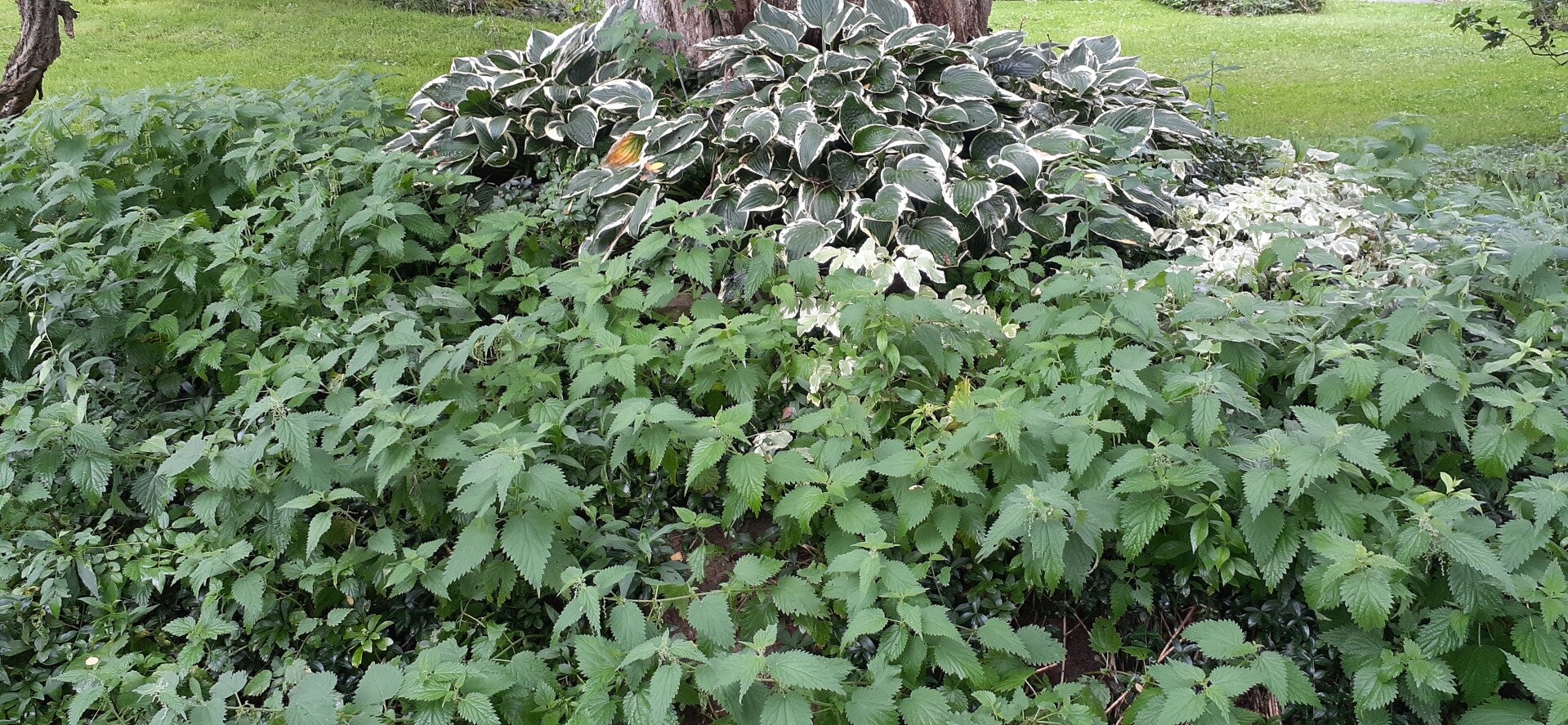
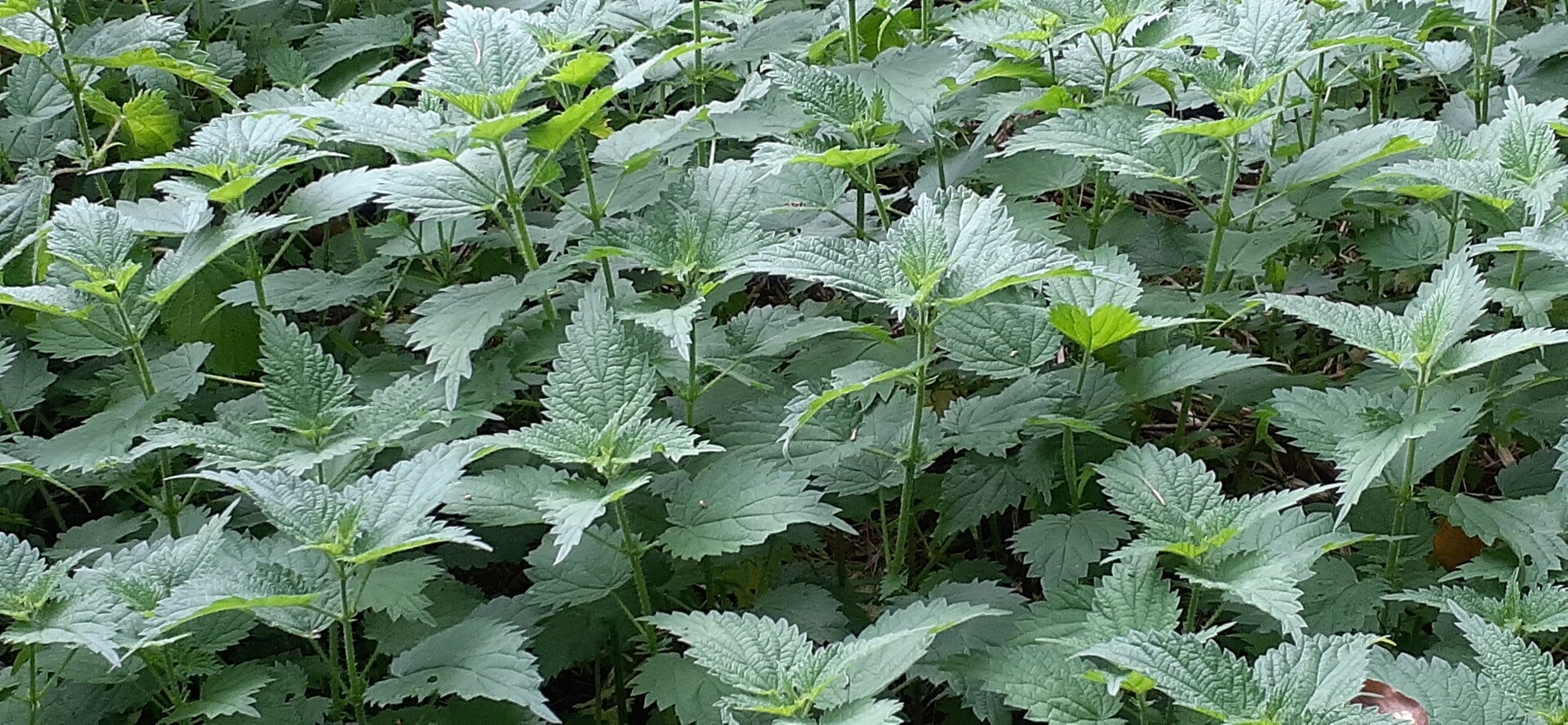
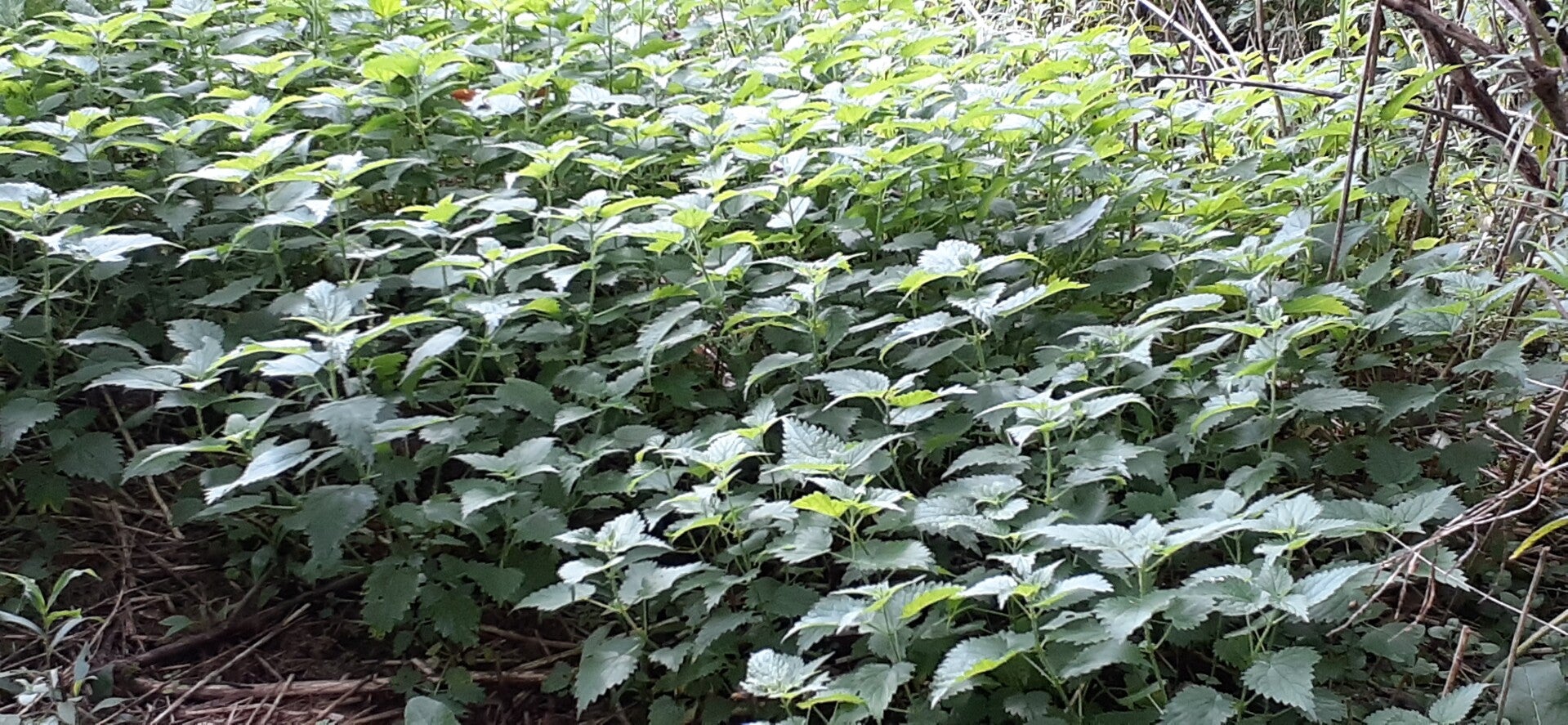
HARVESTING THE STINGING NETTLE
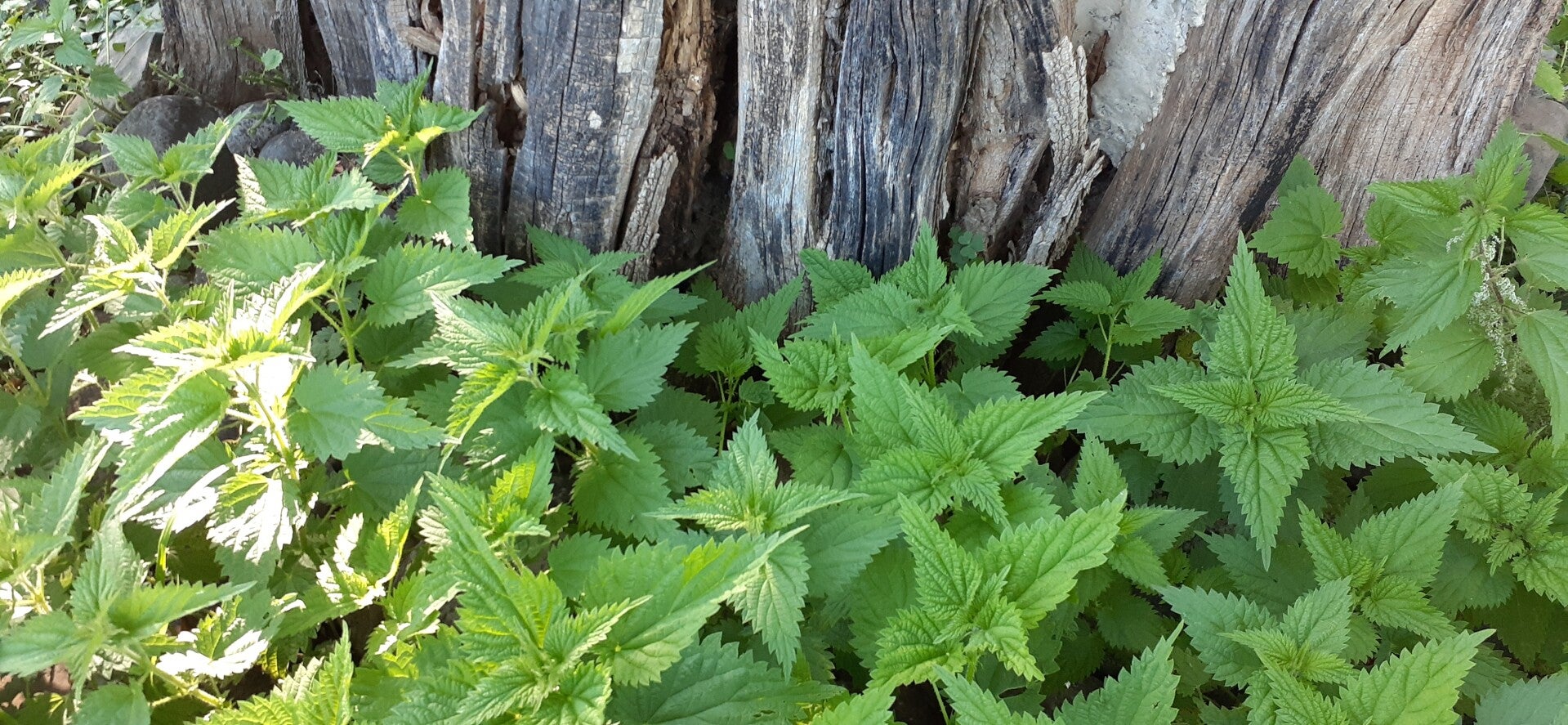
Thoughtful Harvest
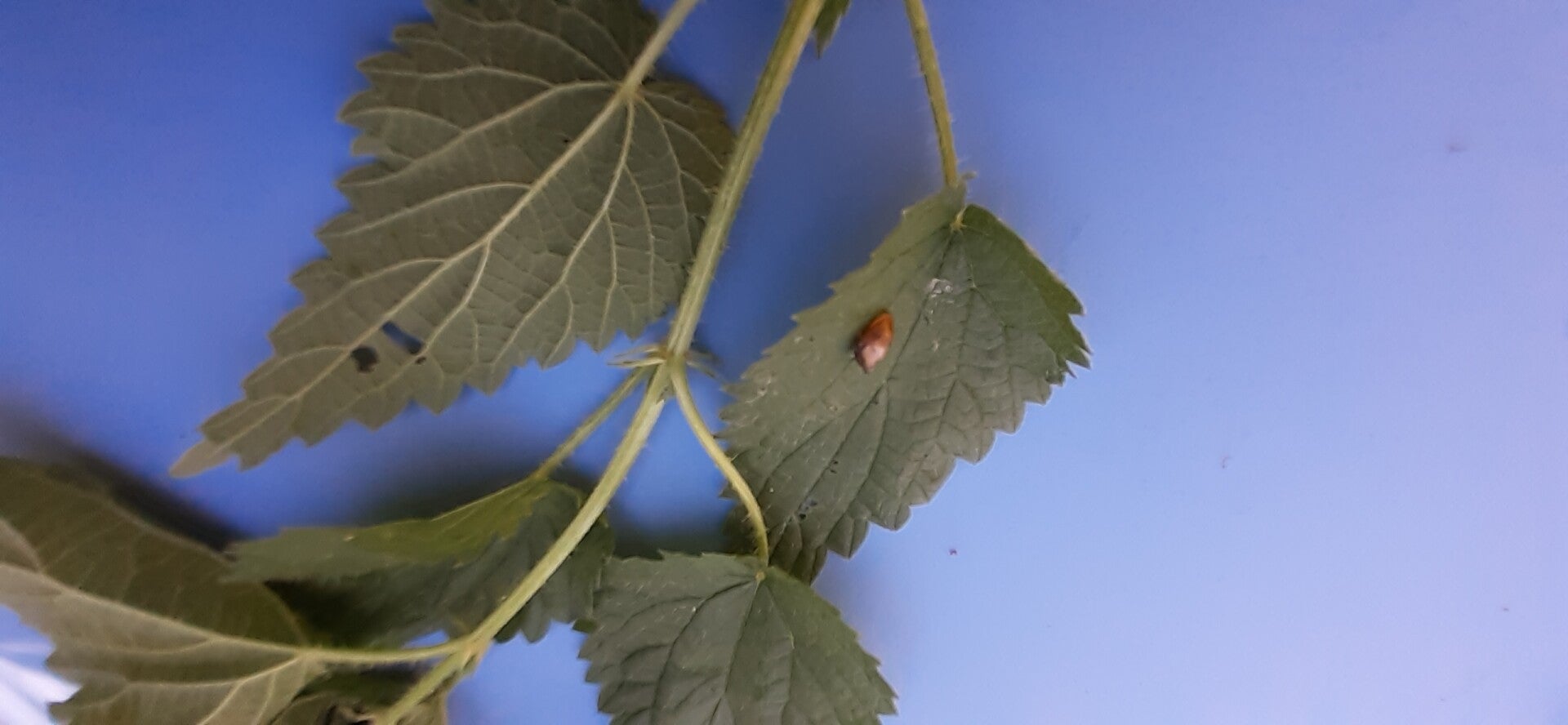
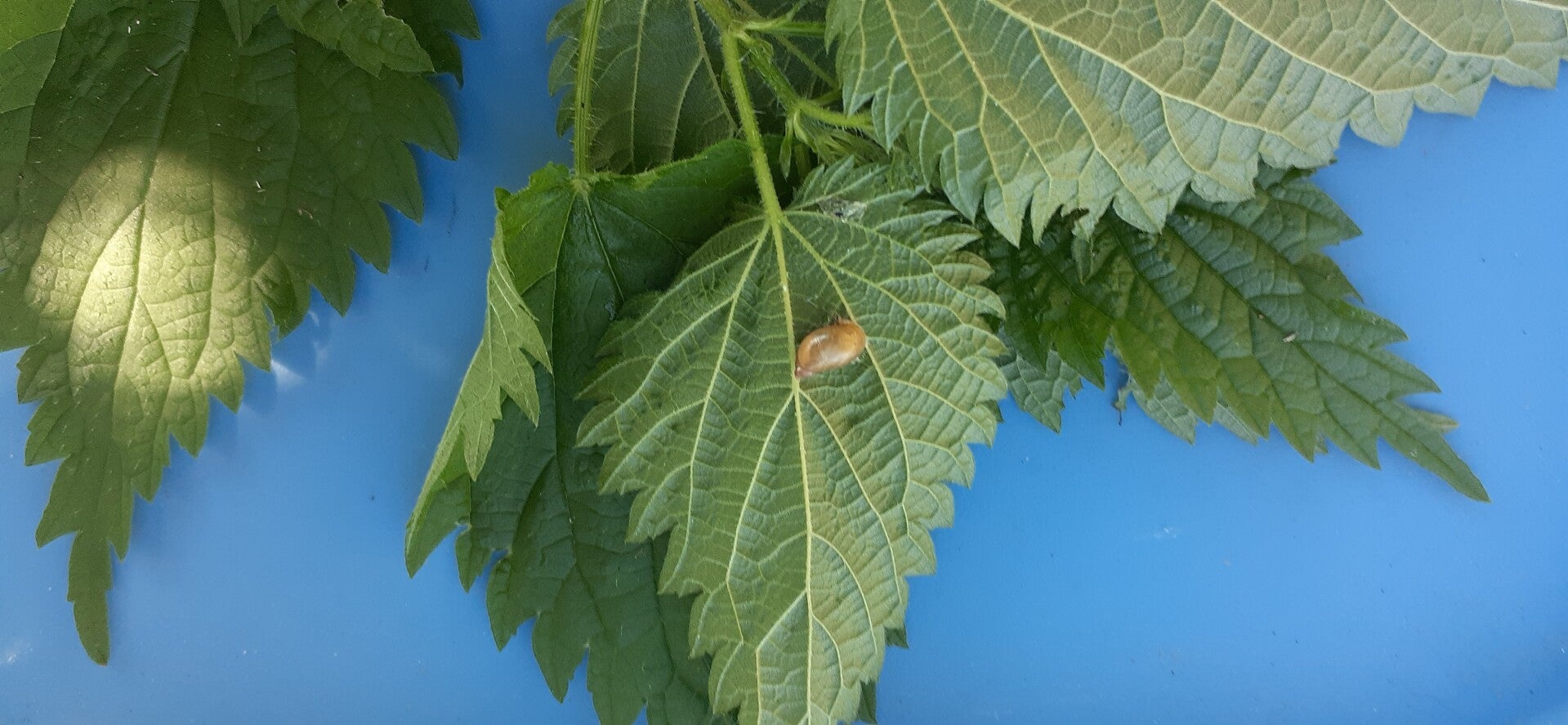
When it is time to harvest Stinging Nettle for drying, great care is taken to consider our wildlife neighbors. Butterflies, Caterpillars, snails slugs, deer, Rabbits, mice and birds, when it goes to seed, all utilize Stinging Nettle as part of their diet and habitat. In my patches I have only witnessed the activity of resting snails, slugs and caterpillars. Strangely they find both the back and upper side of the leaves a comfortable place to rest. When I come across a neighbor napping, I do not disturb their slumber. There are more than enough Nettles to go around. Small bite size pieces of leaf indicate that when naptime is over there may also be some munching going on.
Rhizome Preservation
When harvesting Nettles care has to be given to not pulling up the roots. The Stinging Nettle root system consist of a vertical tap root, hard to remove, and roots that run horizontally called rhizomes. Each plant grows along the rhizome chain. The top soil that covers the rhizomes is very shallow, so it is easy to pull up the root if not careful. To keep the patch thick and hardy for all stems must be gently cut so that the the delicate rhizomes are not disturbed.
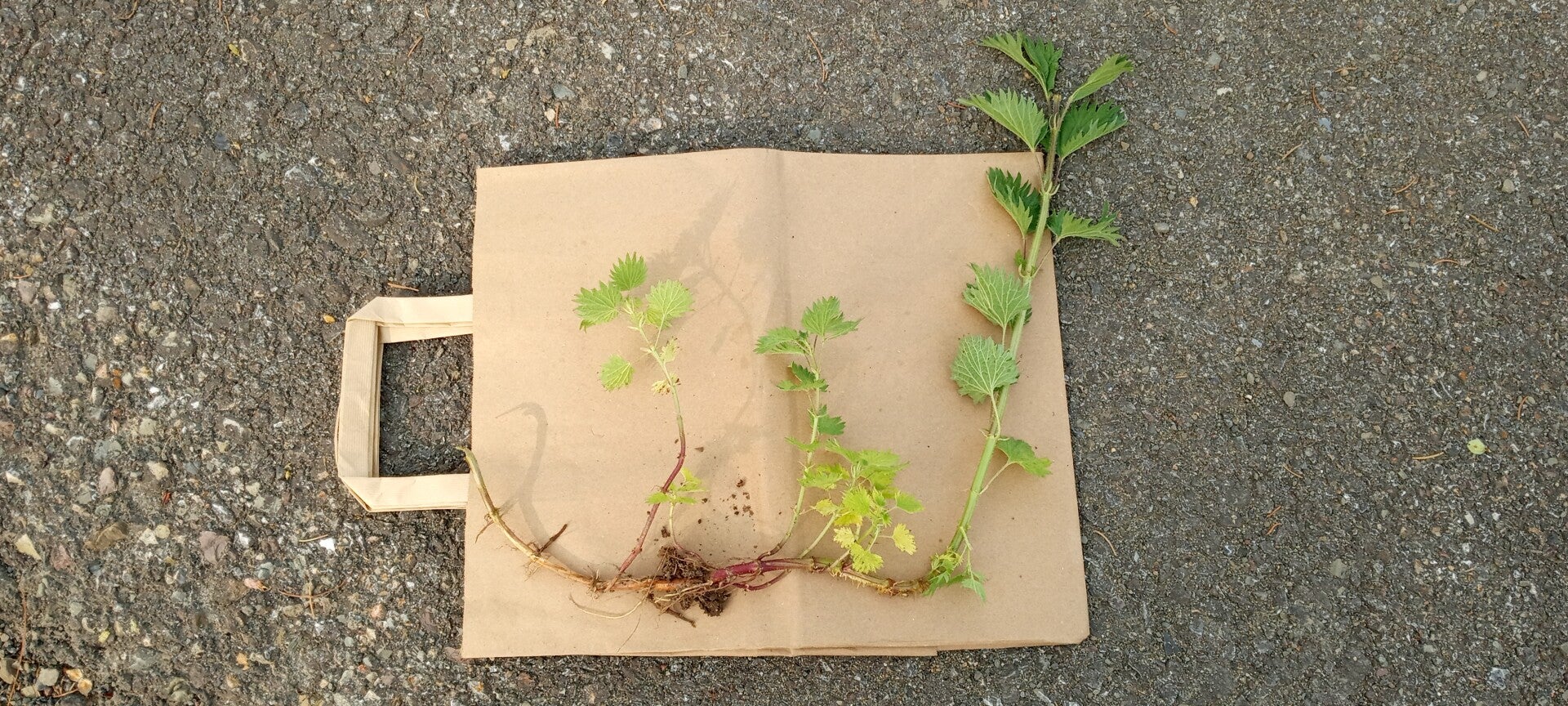
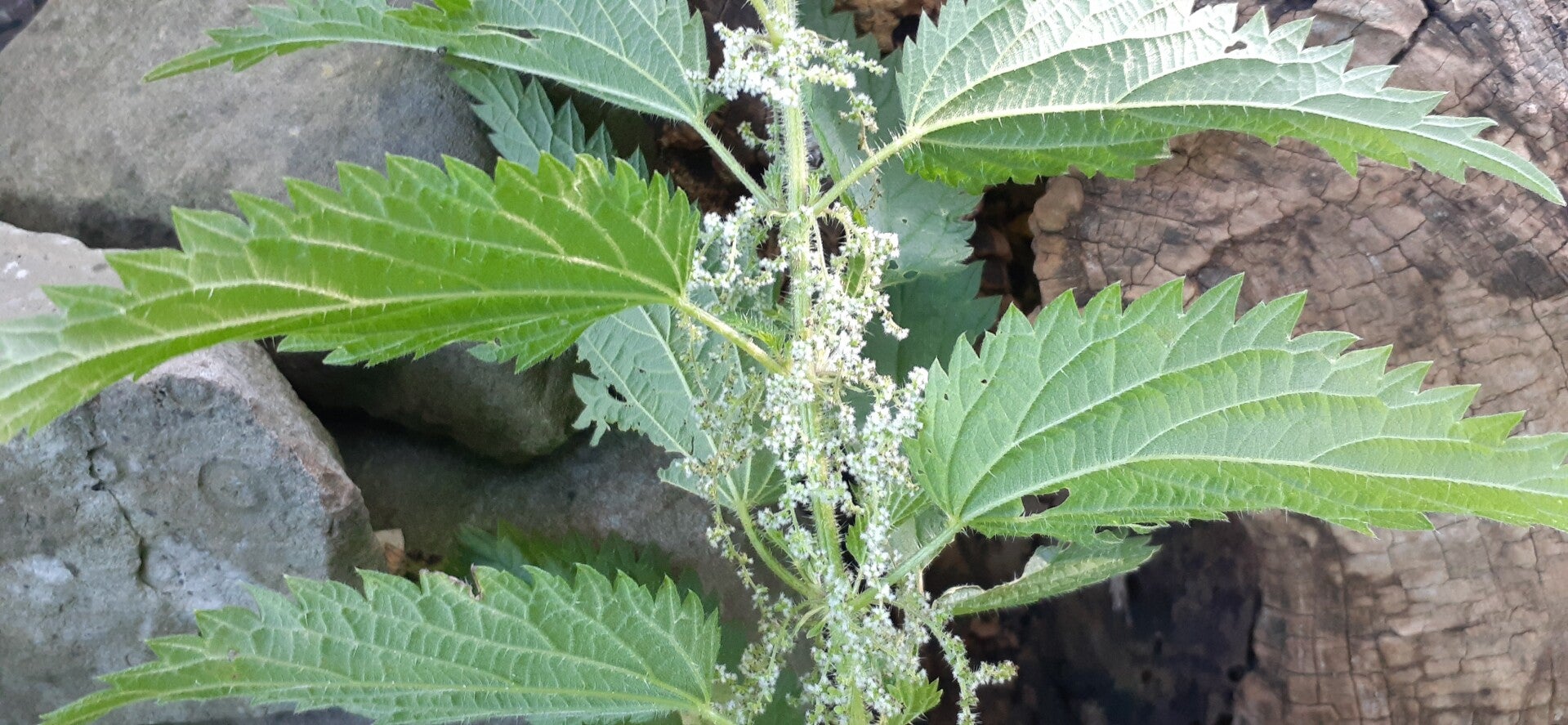
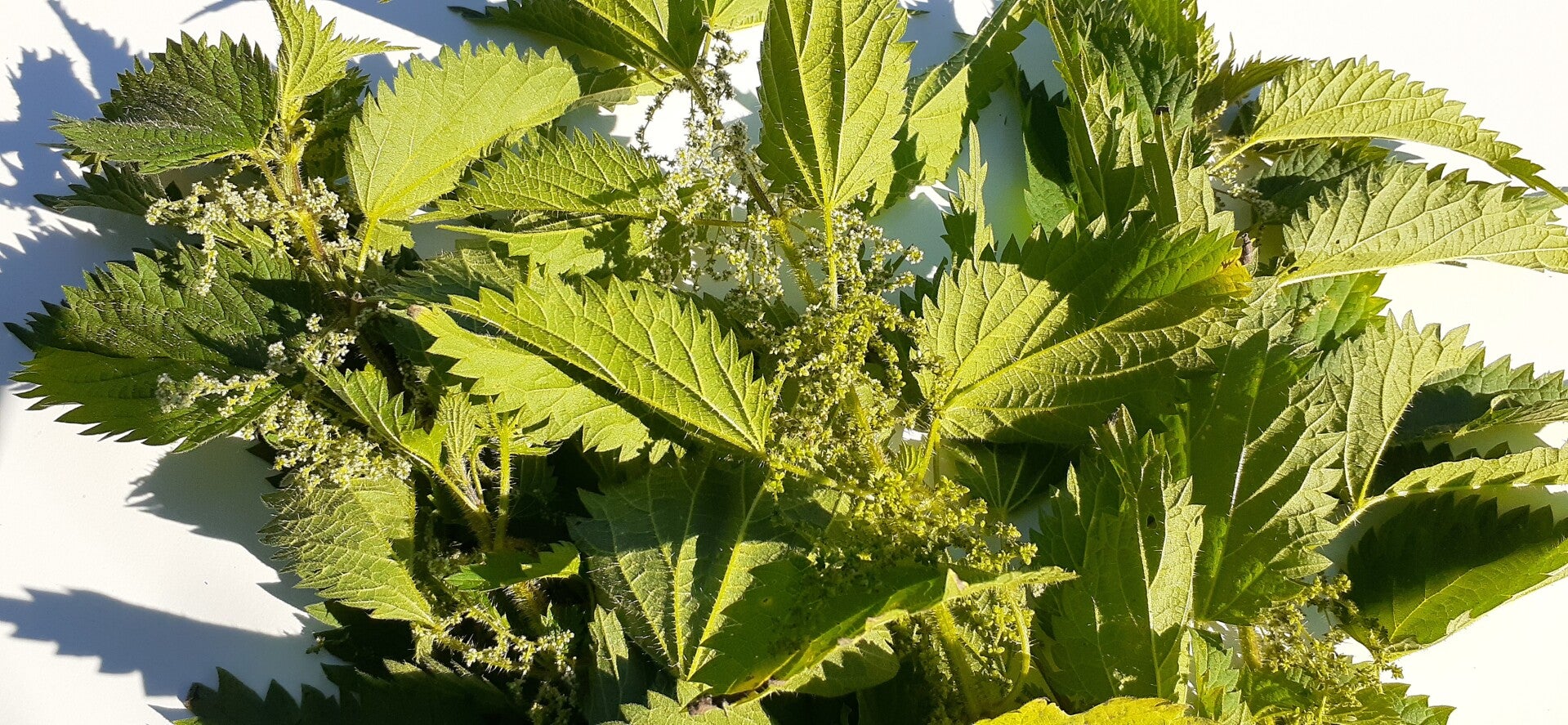
Stinging Nettles Pre-Flowering vs Flowering.
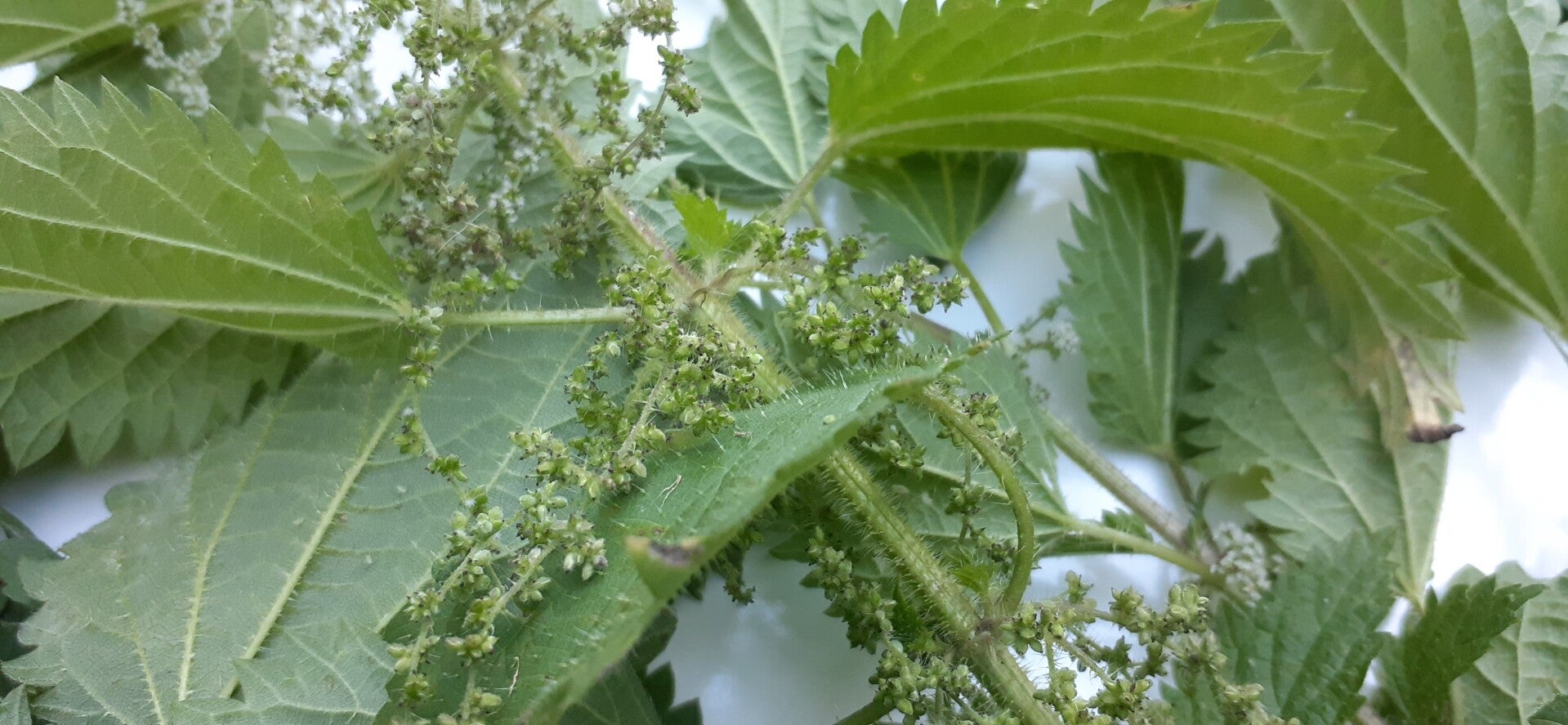
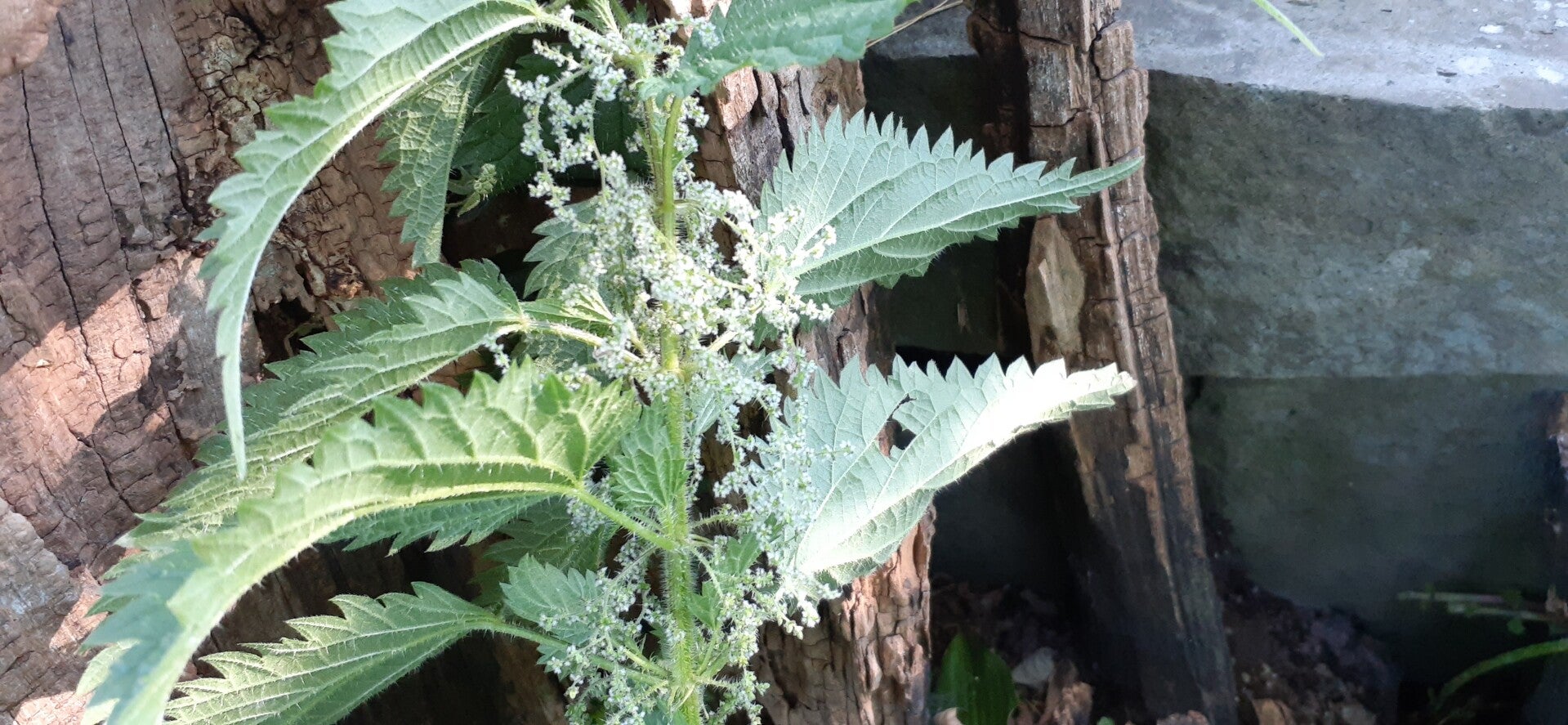
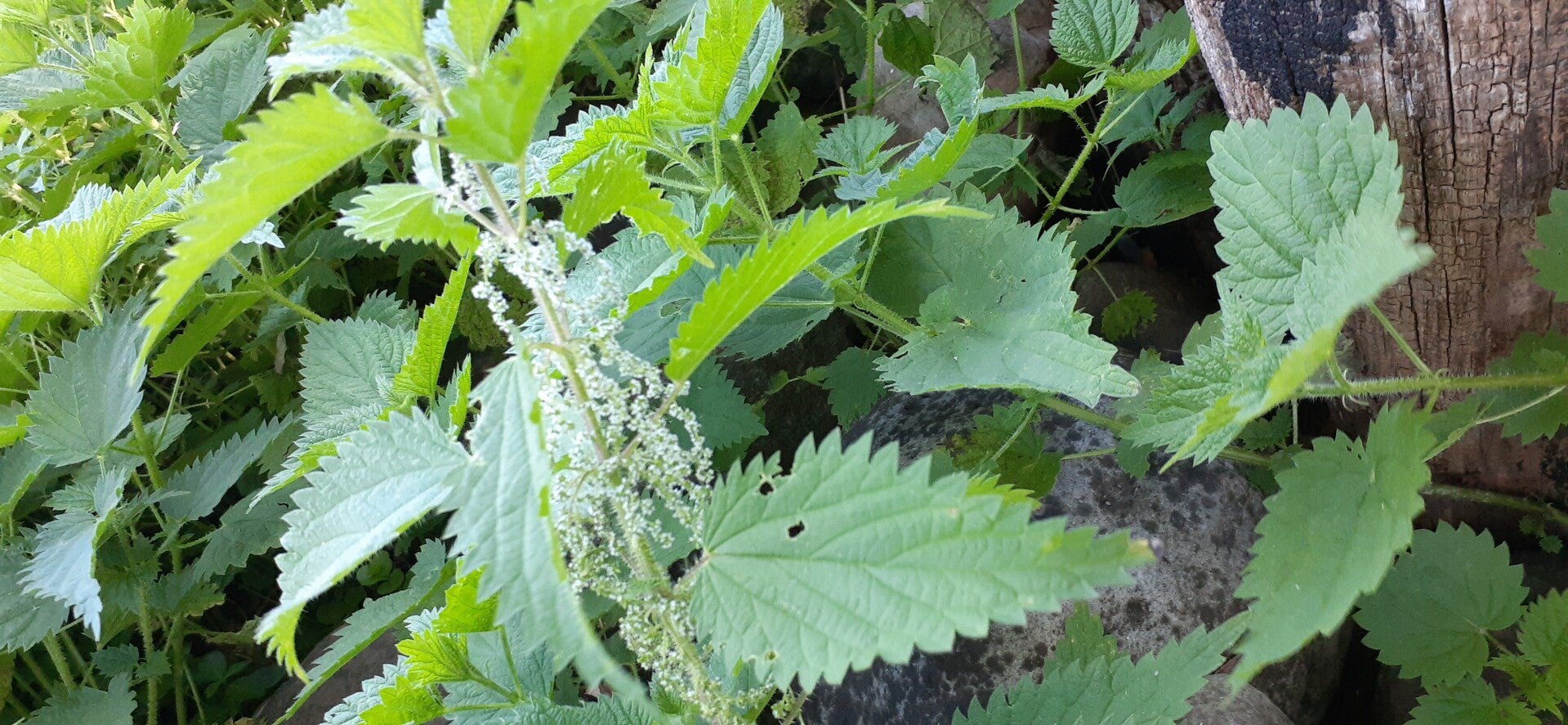
Stinging Nettle produces male and female plants. When the plants reach maturity they flower. The male flowers produce pollen. Female flowers receive the pollen and pollinates their flower. The pollinated flower dries and becomes a seed.
All Mountain Fables Stinging Nettle is harvested when it is young and has not yet started to flower. This is done to alleviate the chance of spreading unwanted seeds by accident. Also insects prefer mature plants for: protection from predators, shelter, food and as a place to mate and lay eggs. And, as far as harvesting, the sting of an older plant is much, much more intense than that of a younger plant, making the mature Nettle patch more strategic to pick. Fortunately, once dried the stinging property is no longer active and it is safe to handle comfortably - however, some people still wear rubber gloves or use tongs.
Harvest Procedure
When harvesting the health of each patch is considered by: not pulling plants up by the root, and plants are spot picked rather than clear cutting the whole area. Enough plants to support both male and female growth are left. This helps sustain existing patches while encouraging new ones to grow as seeds are carried by wind, birds, and mammals to new locations, where they can take root.
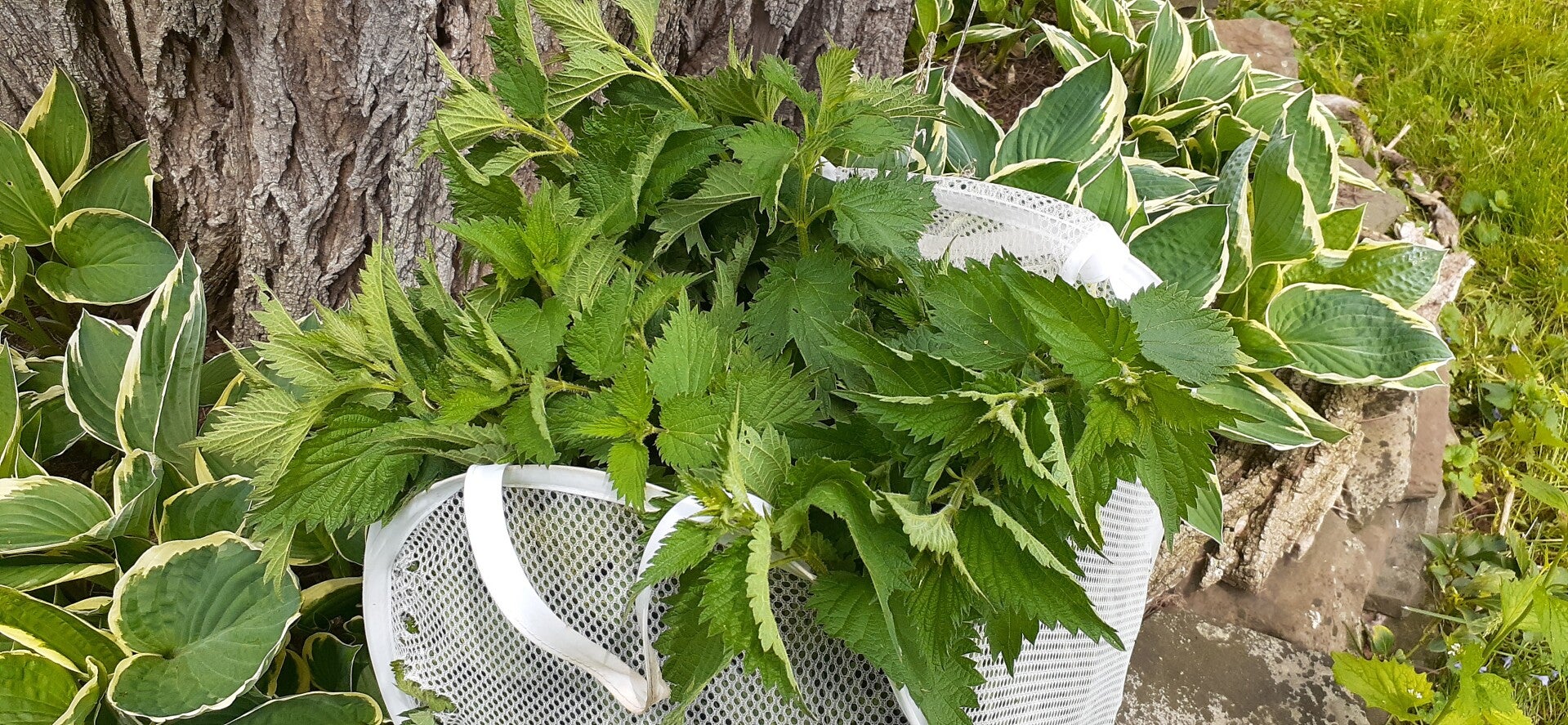
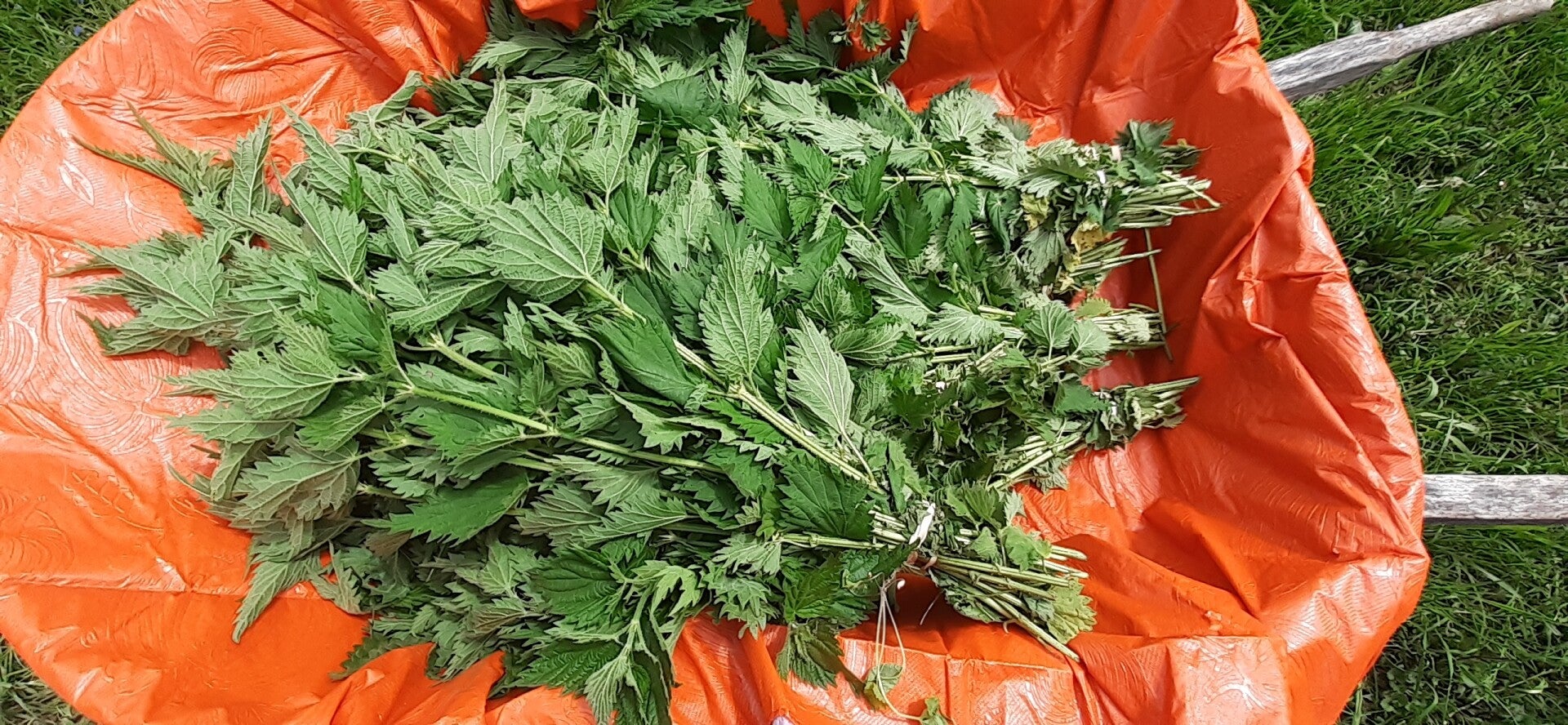
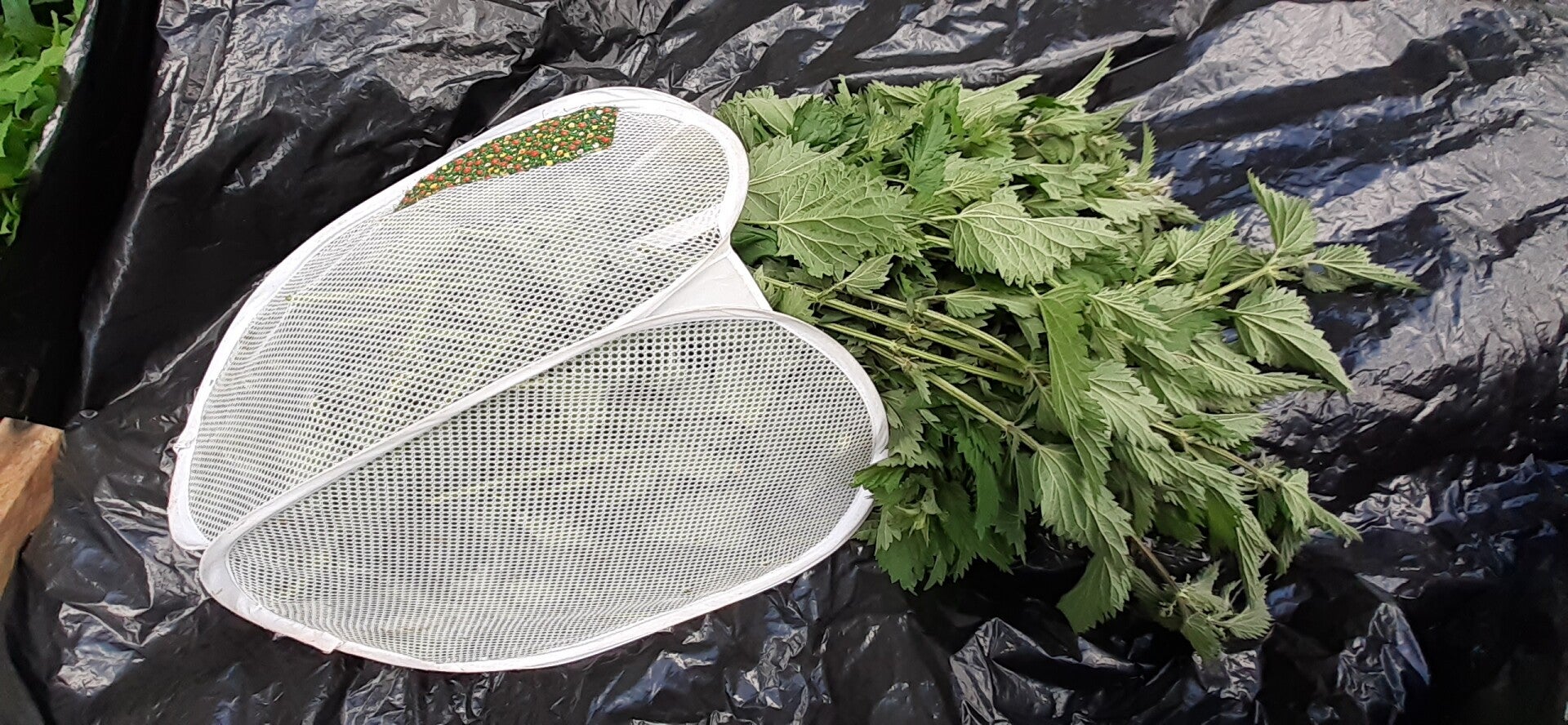
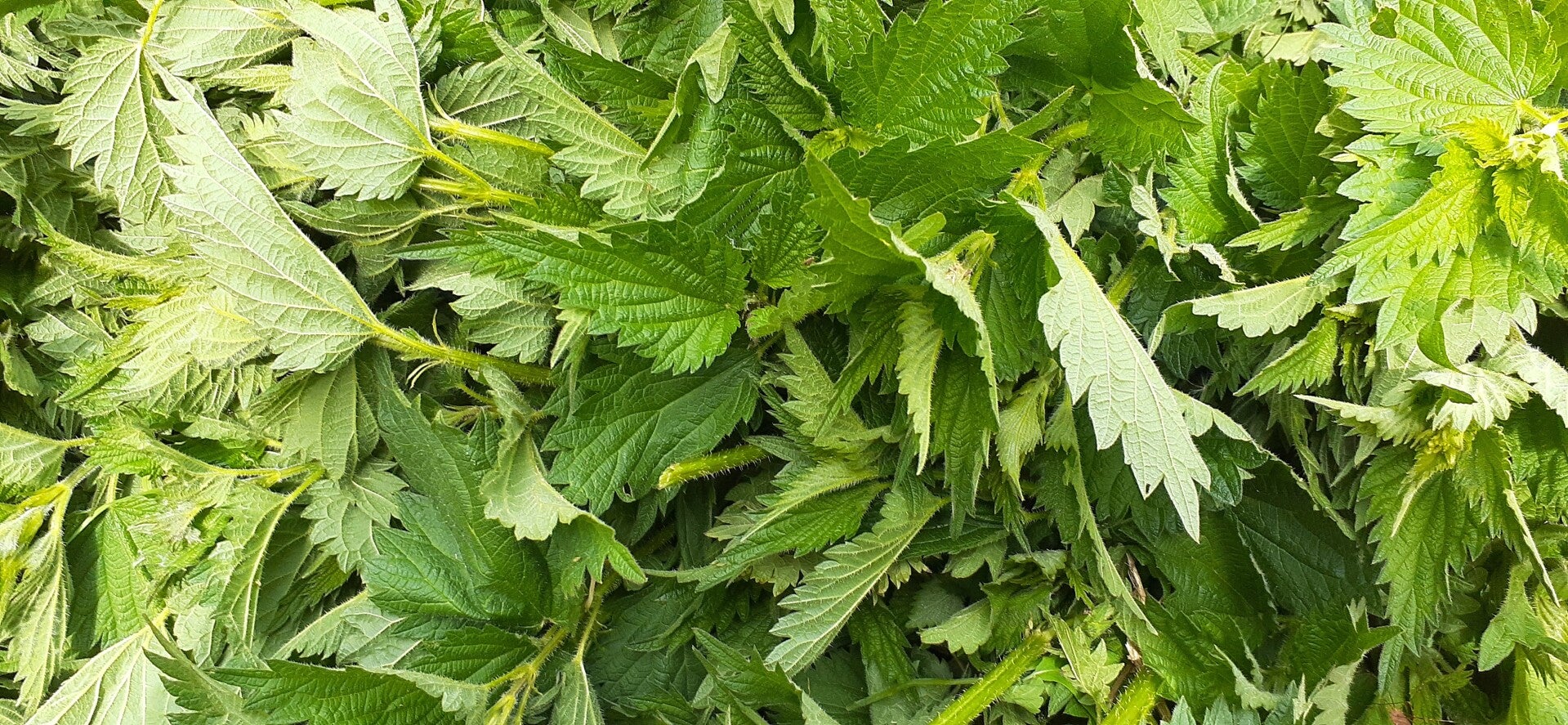
Although young Nettle plants are typically very clean, each stem is visually checked during harvesting. Before bundling, each stem is inspected once more and gently rinsed. Several stems are then tied together into a small bundle.
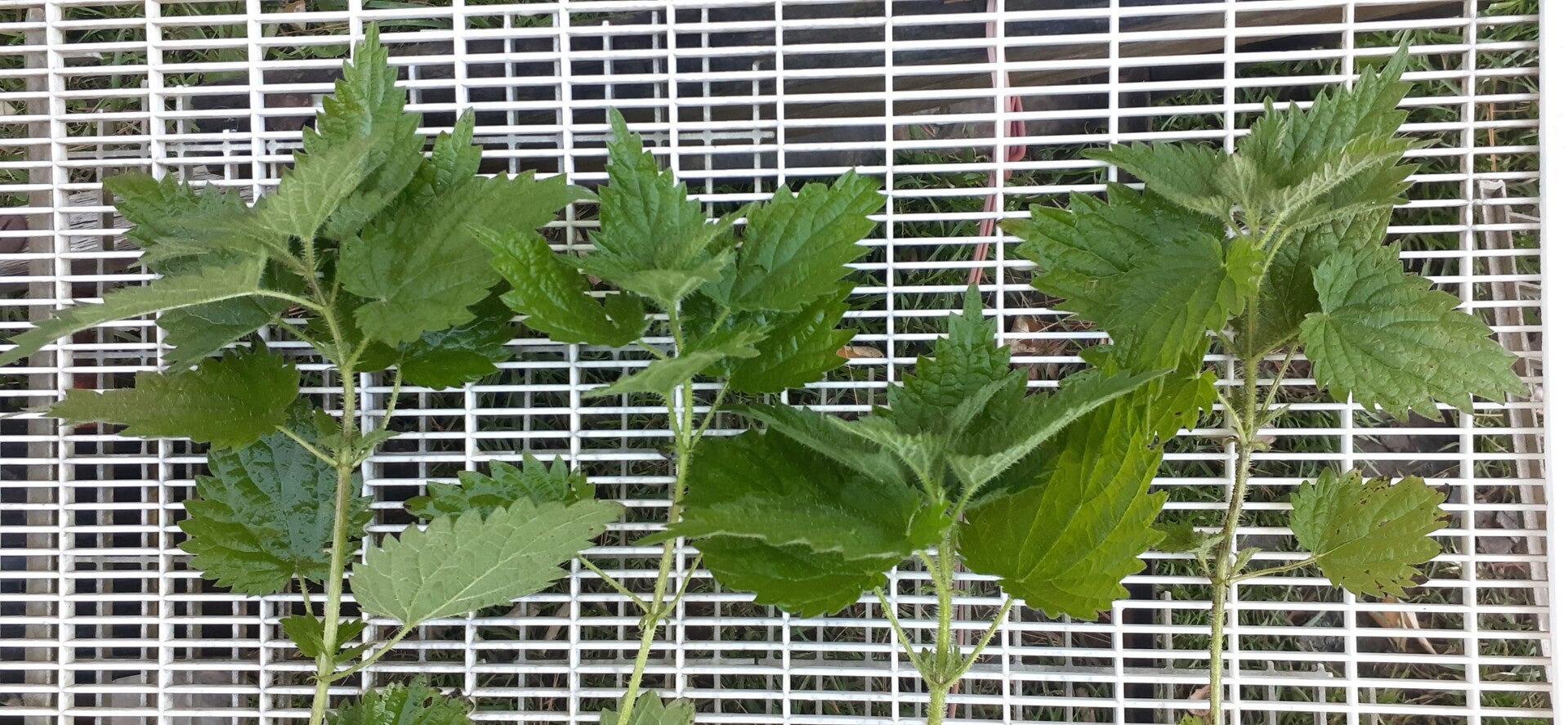
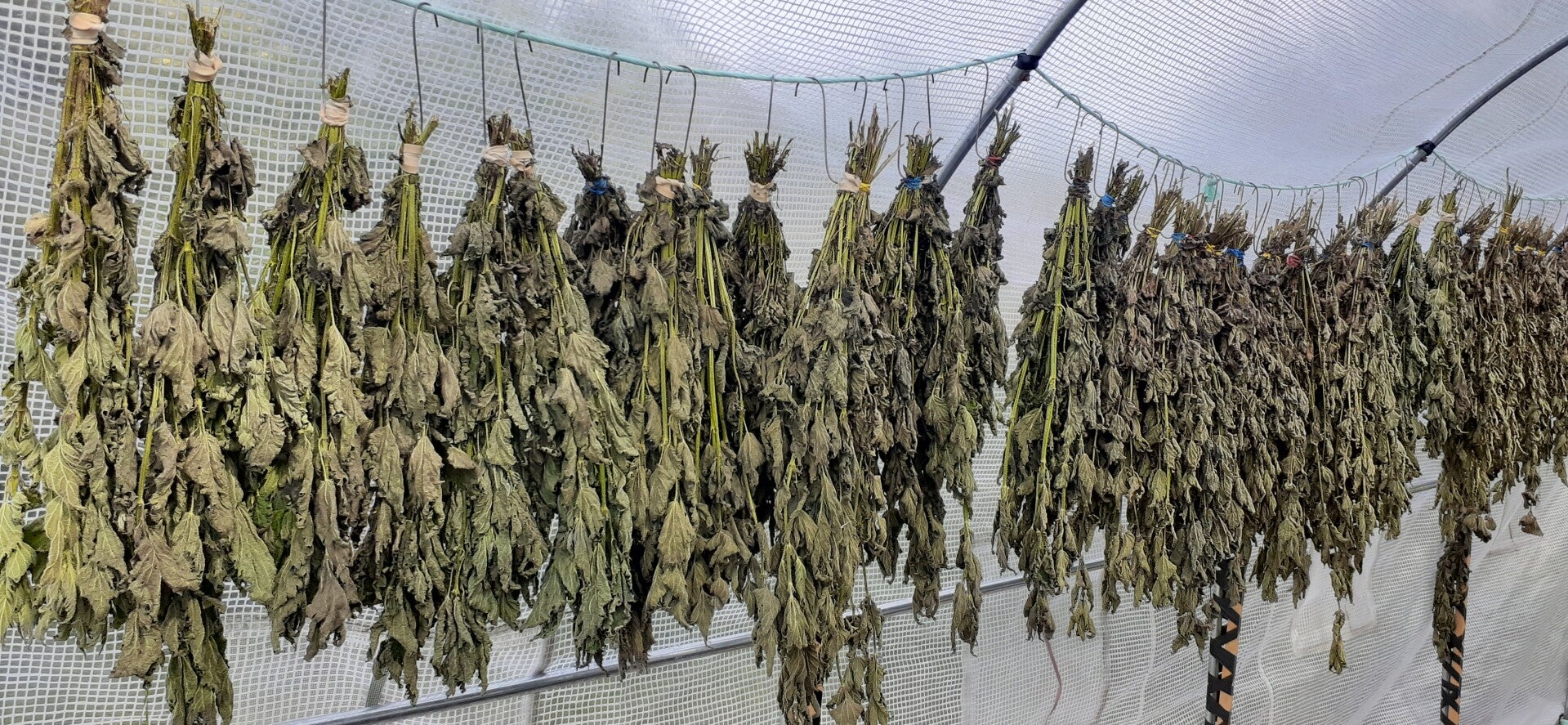
In an effort to provide raw craft material that is as free as possible from visible insects, loose soil, and natural debris, each bundle is given a final rinse and shake. The bundles are then taken to the greenhouse, where they hang until fully dry and crispy. Complete dehydration is essential, as even the slightest amount of moisture can cause mold and spoilage. *** The finished Stinging Nettle is prepared exclusively for craft and art use; it is neither processed as food nor intended for human or animal consumption.
DRYING THE STINGING NETTLE
EXAMINING DRYING METHODS
Dried Naturally By Mother Nature
Stinging Nettle is a delicate plant. Although a perennial, its stem and leaf do not winter over. Each year after several heavy frost the plant wilts and eventually dies back as harsh weather progresses. All that is left is the dead plant matter which will slowly, throughout early spring, degrade and fertilize the soil. The roots go dormant over the winter. In spring, with full gusto, new growth sprouts from the rhizomes. Long story short... this plant does not dry in place.
Individual Flat Drying
Stinging Nettle may be dried flat. This technique is efficient when there is a small quantity to be dried. It is very good for individuals who are processing and storing their Nettle for personal use. This drying method is usually done indoors on a flat surface. It may be done outdoors if weather is agreeable for a long enough period. Mountain Fables processes such a large volume that this method would not be practical.
Dehydrating Equipment
Using a dehydrator is another option for drying small quantities of material. While it can be used for larger volumes, the equipment, space, electricity, and labor required make it costly. For this reason, dehydration is not suitable for the Mountain Fables drying process.
Hang Drying
Hang drying is a traditional, method used to save plantae for storage or display. The plants are tied in small bundles by their stems and hung upside down to dehydrate. For Mountain Fables, hang drying Stinging Nettle is a more efficient and cost-effective drying method. This centuries old approach saves the plant’s natural compound profile while allowing it to dry in a timely manner.
Hang drying also respects the environment by reducing energy consumption, as it eliminates the need for electricity. No electricity, no bulky dehydration equipment, no extra space required to house the equipment and no additional manpower to operate it. By using the hang-drying method production costs are dramatically reduced, while remaining environmentally friendly and preserving product quality. The result? The savings are passed directly on to you through generous packaging sizes.
Environmental Responsibility and Customer Satisfaction - Values that Mountain Fables stands by!
MOUNTAIN FABLES GREENHOUSE DRYING

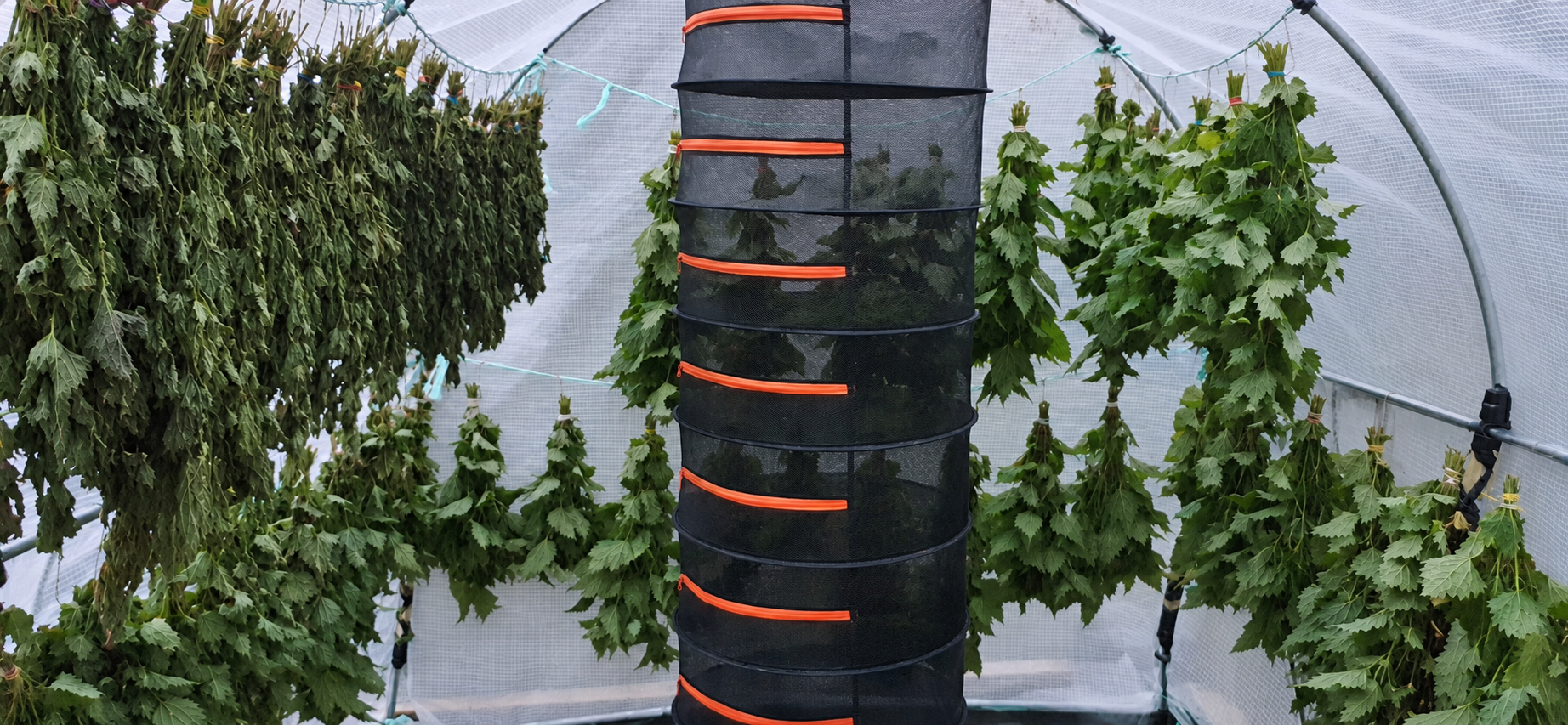
Once thoroughly dry the Stinging Nettle is ready for packaging.
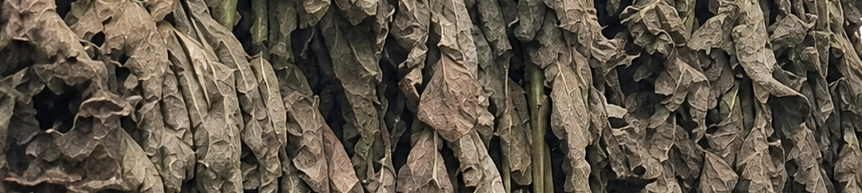
THE FINAL STEP
PACKAGING
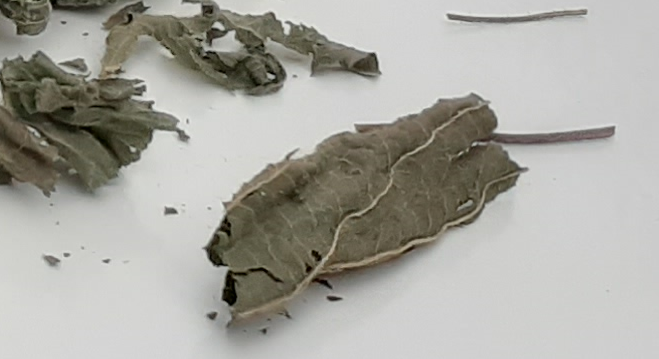
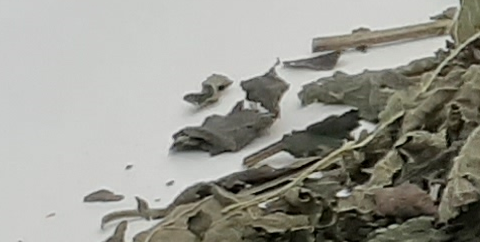
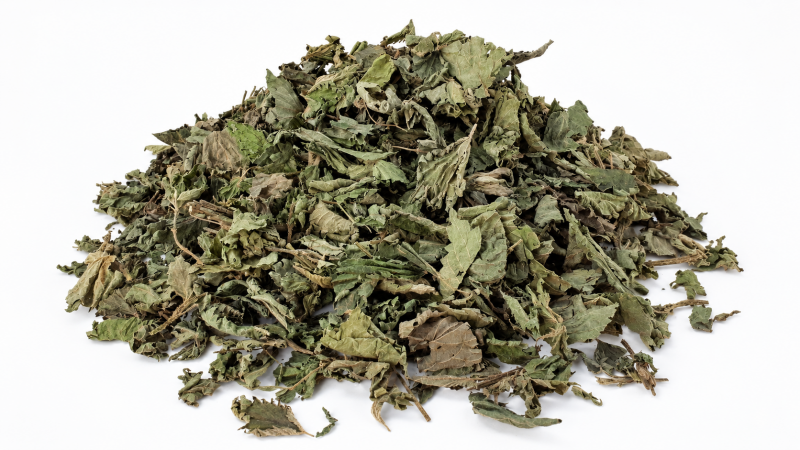
Packaging is the final step in delivering our Dried Craft Stinging Nettle to you. Once the stems and leaves have dried the leaves are removed from the stem by hand. Some thin upper stem may be attached to the leaf. The Nettle is very dry and some parts may crumble when packed. The crumbled plant parts will settle at the bottom of the packaging bag, creating a small amount of usable plant crumble and powder.
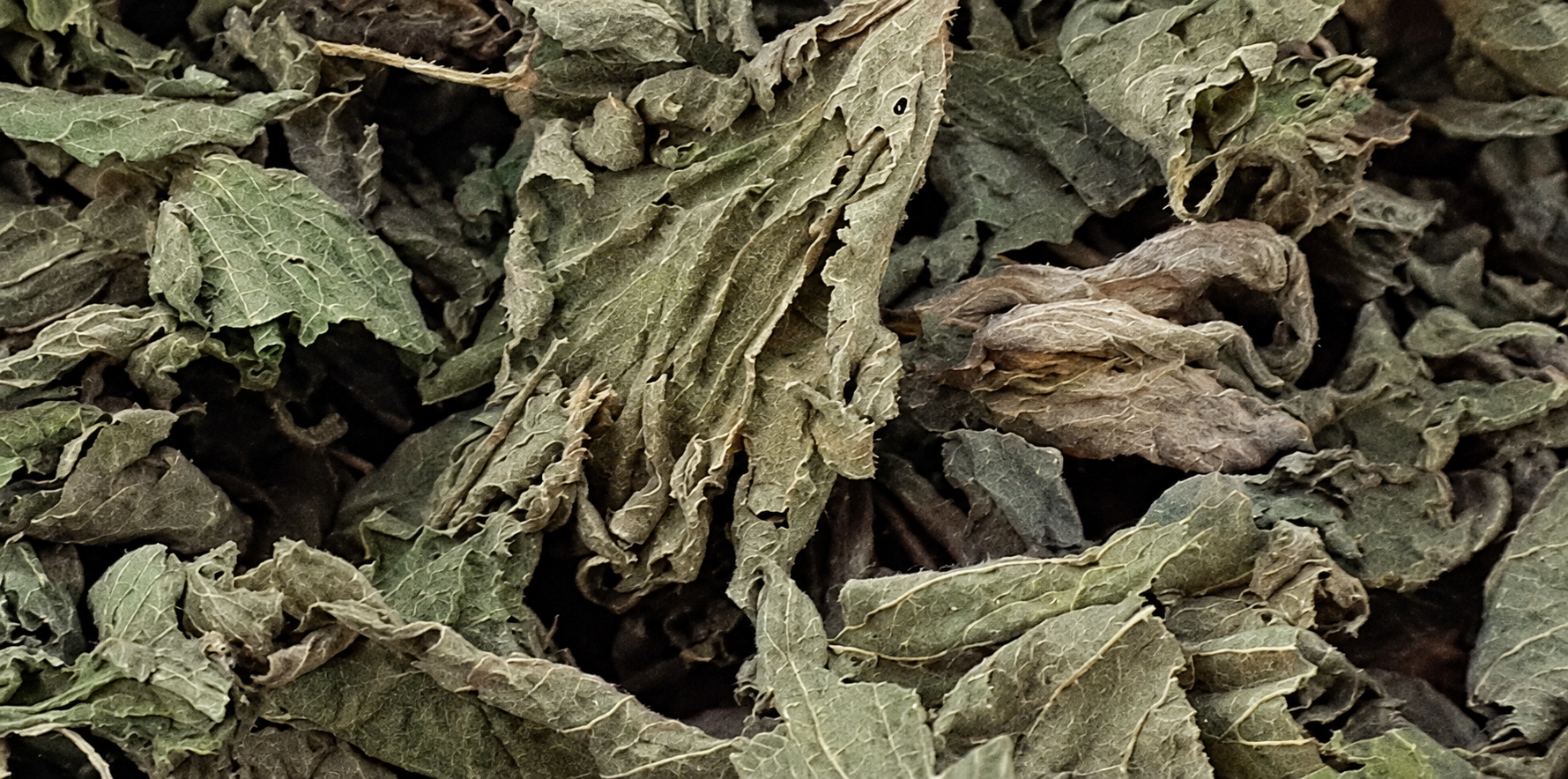
INSIDE THE PACKAGE
The leaves of Stinging Nettle dry in fairly uniform shades of green. Most leaves are whole, unless crumbling occurs.
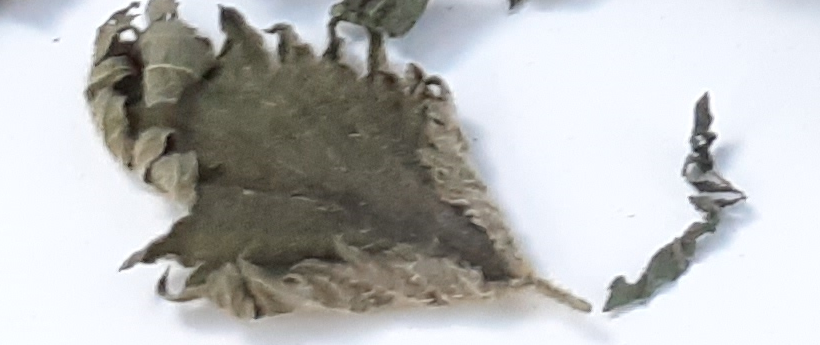
PACKAGE SIZES
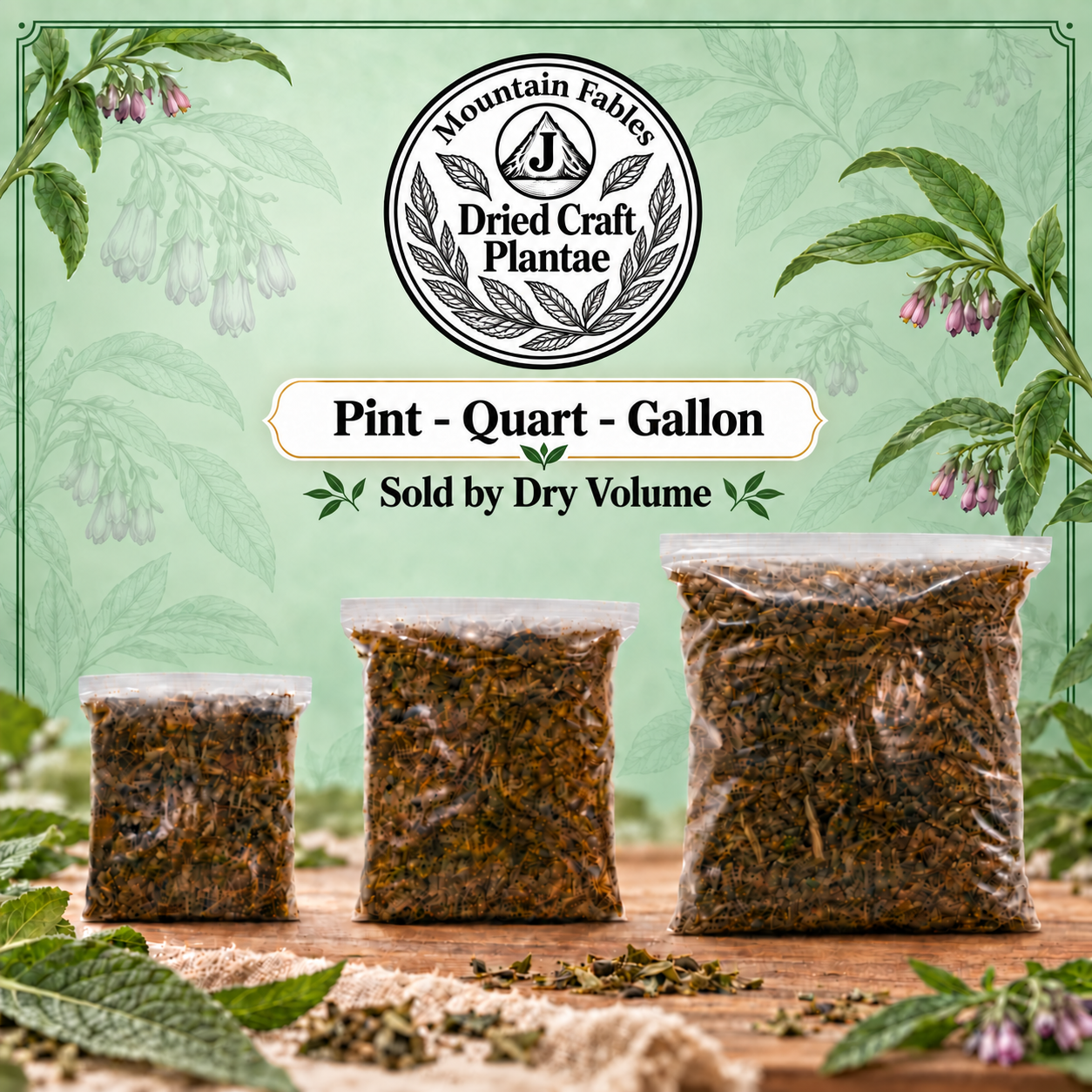
After separating, the Stinging Nettle is packaged in slider storage bags and sold as a bulk crafting supply. Bags are not weighed, rather, each bag is filled by volume and sold as a Dry Volume unit. Each bag is carefully hand-packed and generously filled.
Available sizes: Gallon - Quart - Pint
- Slider bags are used for your ease of use and for freshness. For long term storage split the contents and transfer to air tight jars or re-pack into several new, sturdy slider bags. By splitting the order into multiple bags or containers you can use the amount needed and cut down on oxygen exposure. This will help keeping the unused portion of Nettle fresh.
- Stinging Nettle has a long shelf life as long as it is not exposed to moisture and is placed in an area that is dark or has a minimum of light.
RAW, UNREFINED, CRAFT PLANTAE USES
Mountain Fables loves supporting the creative community by providing quality plantae at affordable prices, in quantities that accommodate both large and multiple crafting projects. Our products consist of dried, raw, unrefined Plantae and are strictly for use in general, non-ingestive craft, art and display projects.
Because we do not process or market our Plantae products for any single application, we do not provide specific project instructions. Instead, we encourage you to explore the internet, where you will find many wonderful artisan forums, crafting blogs, and tutorial videos that can guide you through relevant information for the specific project you wish to create.
* Mountain Fables finished Plantae products are prepared exclusively for craft. art and display uses; they are neither processed as food nor intended for human or animal consumption.
RESTING STINGING NETTLE
Goodnight
As the cold weather sets in and the Stinging Nettle patches die back it may seam as though that years Nettle has done its job, however, it is still quietly at work. The fallen leaf and stem debris is a safe haven and winter home for various insects that hibernate over the winter.
Stinging Nettle is a complicated and amazing plant. On one hand it can be considered a big nuisance with: its uncanny ability to spread and take over an area, and its willfully stubborn and painful defense mechanism. On the other hand a vibrant, full patch of Stinging Nettle is a gorgeous sight to behold as the plants huddle tightly together and smile innocently up at you. And, most remarkably, these prickly patches of plants secretly hold many uses revered by humans, animals and insects alike.
Once you understand Patch behavior and all of the attributes that Stinging Nettle has to offer, you can't help but love it, appreciate it, and look forward to its return each year. So with ambivalence, joy and longing I say...
Goodnight Stinging Nettle and little bugs at rest beneath, we'll start our tumultuous dance again in the spring!
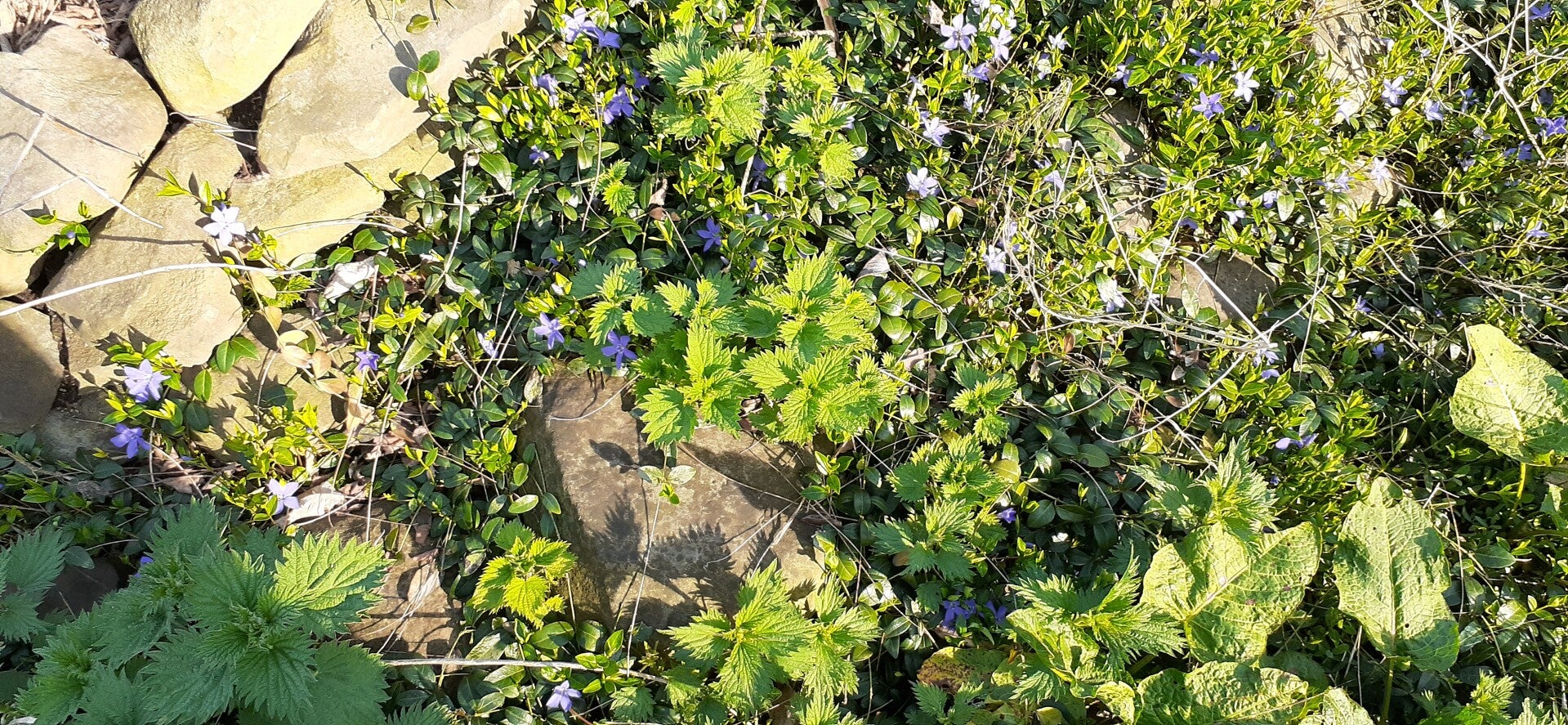
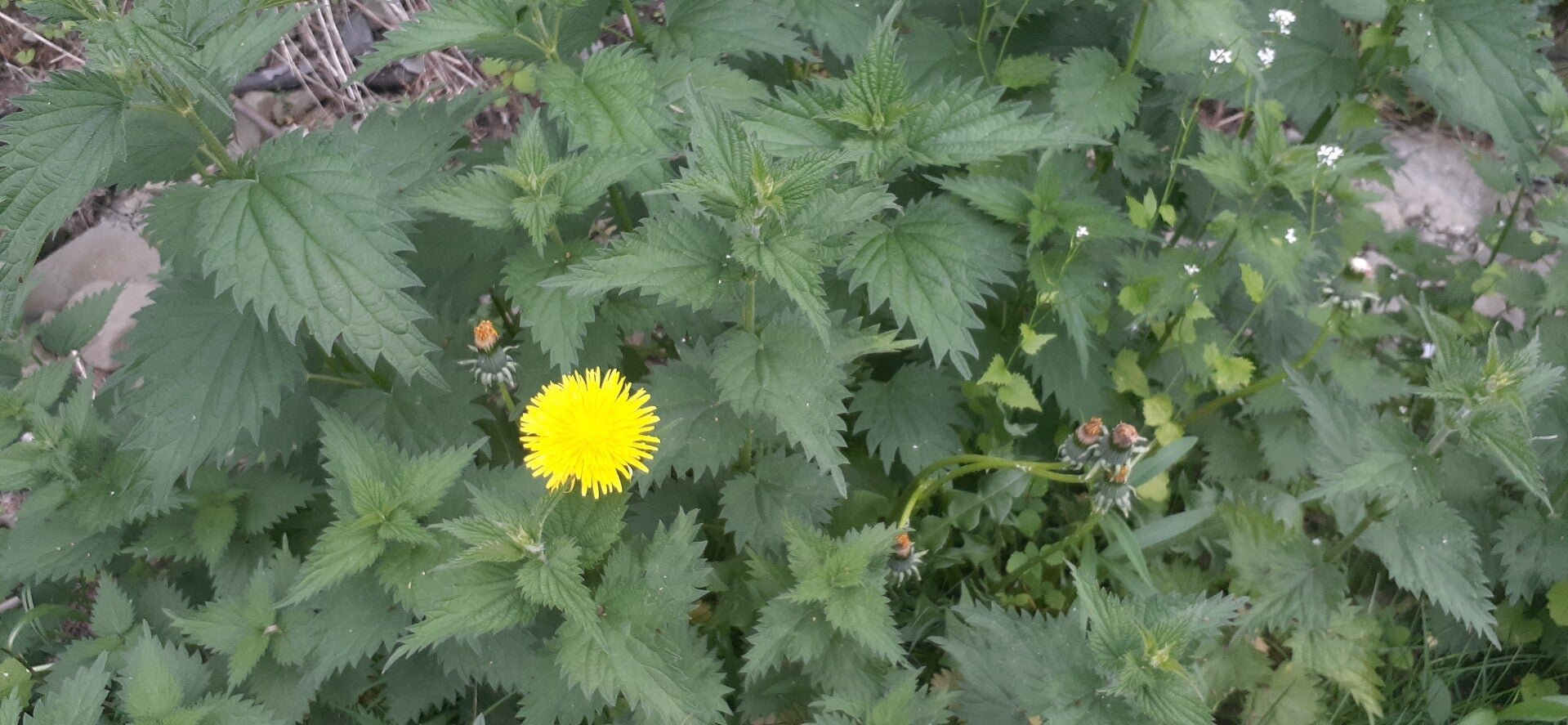

Stinging Nettles is a fast maturing plant once it starts comes back in the spring. It is one of the very first plants to arise from the winter's deep slumber. Once awakened it can produce several crops if harvested properly. Both mammals, birds and insects value the Stinging Nettle crops for its varied uses from one year to the next .
Making Stinging Nettles :
One of the most interesting and perplexing plants in the foraging garden!